








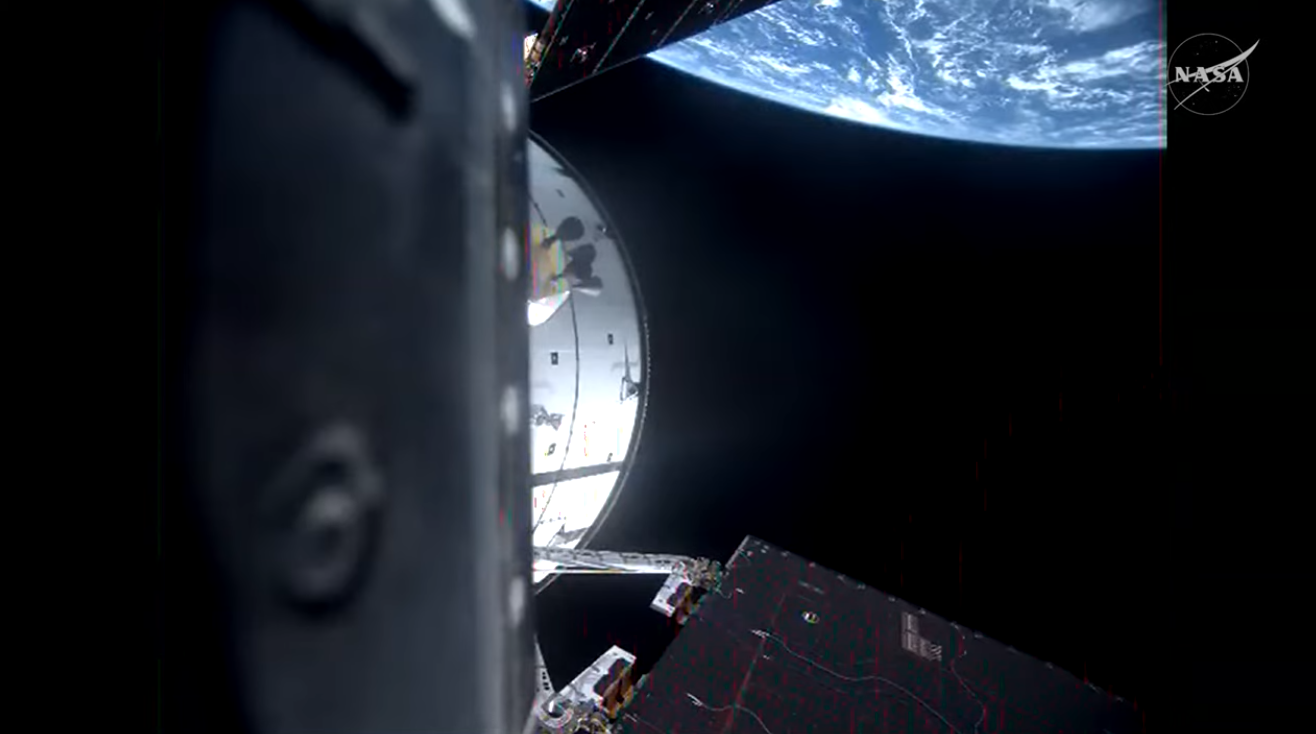
Artemis II Sets New Distance Record
HOUSTON (AP) — After traveling deeper into space than any other humans, the Artemis II astronauts pointed their moonship toward home Monday night, wrapping up a lunar cruise that revealed views of the far side never beheld by eyes until now. In an especially riveting retro throwback, Artemis II shattered the distance record set by Apollo 13 in 1970. NASA’s Orion capsule reached a maximum distance of 252,756 miles (406,771 kilometers) from Earth before hanging a U-turn behind the moon, 4,101 miles (6,600 kilometers) farther than Apollo 13.
Celestial Events and Historic Views
The flyby of the moon — NASA’s first return since the Apollo era — included a total solar eclipse as the moon temporarily blocked the sun from the astronauts’ perspective. Mercury, Venus, Mars and Saturn were also visible in the vast darkness of space. The landing sites of Apollo 12 and 14 came into view, offering reminders of earlier lunar missions. Canadian astronaut Jeremy Hansen described the experience as “unbelievable,” encouraging future generations to surpass this milestone.
Mission Highlights and Emotional Moments
The astronauts carried a symbolic Apollo 8 silk patch and received a recorded message from Apollo 13 commander Jim Lovell before their flyby. Artemis II followed a free-return lunar trajectory, using gravitational forces to guide the spacecraft around the moon and back toward Earth. During a seven-hour observation window, the crew captured images of craters and lunar features using advanced cameras and mobile devices. Emotional moments unfolded as astronauts proposed naming lunar craters and reflected on personal connections during the mission.
Path Toward Future Moon Landings
Artemis II marks NASA’s first crewed lunar mission since Apollo 17 in 1972 and serves as a key step toward future exploration. The mission will conclude with a Pacific splashdown after nearly 10 days in space. It paves the way for Artemis III and future missions aimed at landing astronauts near the moon’s south pole and eventually sending humans to Mars. The mission highlights both technological progress and the enduring human drive to explore beyond Earth.
Related: Read also: Latin America Faces Record-Low Birth Rates, Ecuador Expels Cuban Ambassador Amid Diplomatic Row, and American Airlines to Resume Venezuela Flights.






Leave a Comment
Your email address will not be published. Required fields are marked *
Latamchronicle
Live, Breaking News Theme