







Rising Drug Use Among Cuban Youth
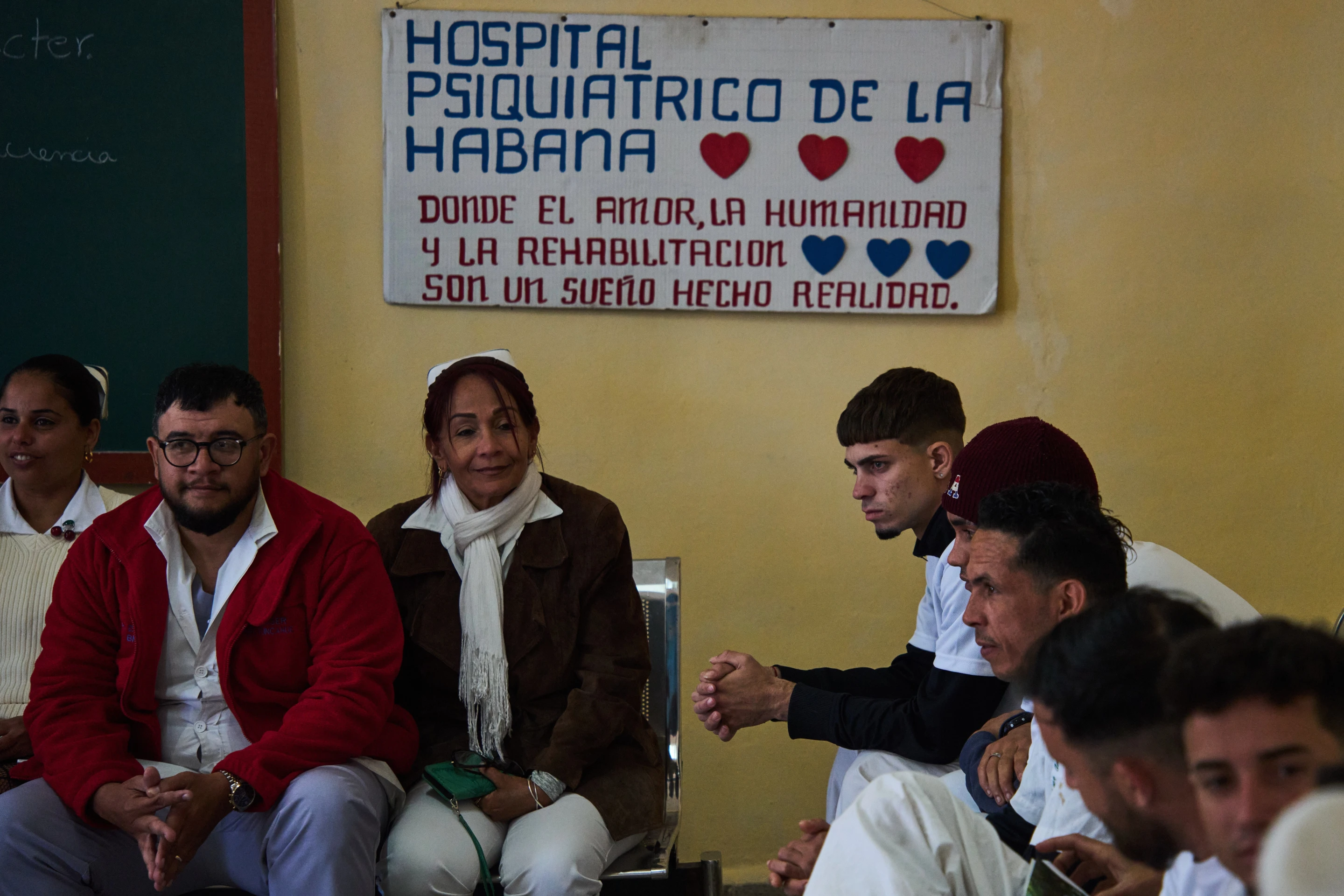
Several dozen people huddled in a circle in a room at a Havana psychiatric hospital, holding hands and chanting in unison, vowing to rid their bodies of "the toxins that enslave." The collective plea to restore their freedom for only the next 24 hours was the first step in a 90-day detoxification before beginning therapy.
Drug use was virtually unknown in Cuba until the beginning of this decade. However, a worsening economic crisis, shortages of essential necessities, and the rise of low-cost synthetic medications have all combined to change the scene.
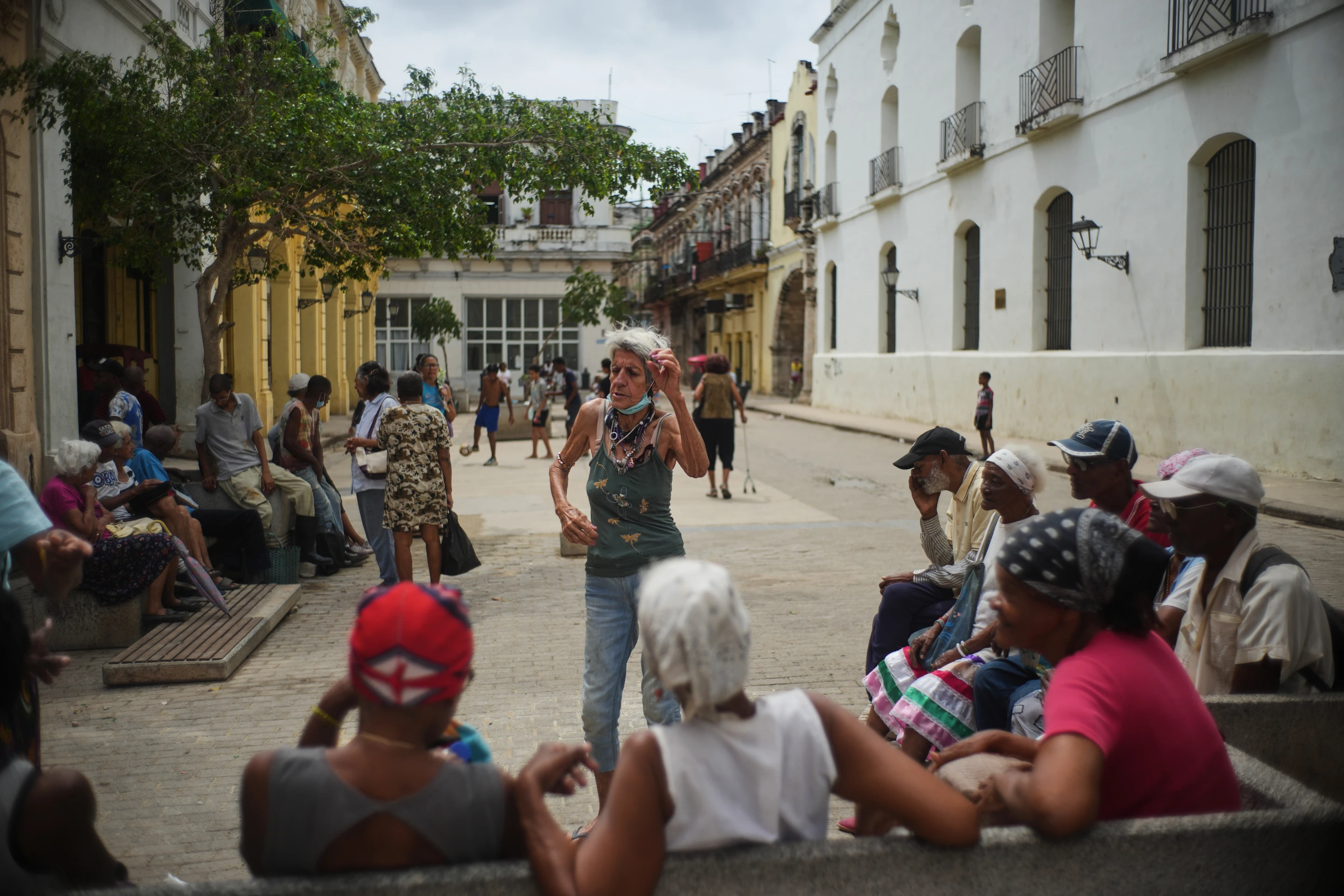
In Havana and other Cuban cities, it is no longer uncommon to observe young people dozing, walking slowly, or lying asleep in public parks. Authorities believe the biggest concern is the "químico," a strong cocktail of synthetic cannabis and toxic chemicals. The substance, often known on the streets as "papelitos," or "little papers," is absorbed into sheets of paper and smoked in little dosages. It costs about 250 Cuban pesos per hit (50 cents), which is cheaper than a basic loaf of bread or a can of soda. "It's very cheap...and it's everywhere," said David Morales, 25, who is recovering after receiving assistance from government-funded health clinics and is currently undergoing rehabilitation therapy at the Alcance Victoria Cuba evangelical Baptist Church.
Government Response and Zero-Tolerance Policy
Acknowledging the rising tide of drug use, Cuba's Ministry of Health, alongside several state bodies, established the National Drug Observatory in July. This initiative aims to research, monitor, and ultimately mitigate the effects of illicit drugs on the island. While the government doesn't maintain official statistics on drug users, Dr. Tania Adriana Peón, chief of mental health and addictions at the General Directorate of Health, cited emergency room data as an indicator of the trend. In Havana, 467 individuals sought help or were admitted to emergency rooms in 2024. By 2025, the figure had nearly doubled to 886. Cuba maintains a zero-tolerance drug policy, with drug trafficking punishable by up to life in jail. And, while it is neither a drug-producing nor a stockpiling country, officials admit it is not immune to drug usage.
Seizures of cocaine packages abandoned by traffickers during chases and washed ashore, known as "recalos" or washups, occur on a sporadic basis. Drugs also find their way into the country hidden within shipments of imported goods. Domestic marijuana farms, though less common, have been uncovered as well. "Cuba's current challenge primarily revolves around new psychoactive substances, particularly synthetic cannabinoids, the majority of which originate in the United States," explained Colonel Juan Carlos Poey Guerra, representing Cuba's Interior Ministry.
He noted that police labs had identified 46 novel synthetic formulations over the past year. These formulations combined cannabinoids with anticonvulsants like carbamazepine, along with formaldehyde and fentanyl. He further stated that authorities had intercepted 72 attempts to smuggle drugs into Cuba from eleven nations between 2024 and 2025. Poey Guerra also indicated that the precursor chemicals used in the production of these substances were mostly obtained from the United States.
Treatment Efforts and Rehabilitation
Because health care in Cuba is state-run and free, neighborhood family clinics are often the first to spot indicators of drug use. Health officials refer patients with more severe or complex diseases to the hospital for lengthier, more extensive stays. The area was separated into two-bed cubicles ornamented with family photos. The space boasted a cozy reading nook, a dining room, and a dedicated area for relaxation. Every day, the patients, dressed in white T-shirts with the slogan "We win against drugs," take responsibility for cleaning up their surroundings.
"I was incredibly depressed...living on the streets; I just couldn't take it anymore," said Daniel Fulleda, 23, who was committed in January. His tone was upbeat as he spoke of his aspirations to marry before the end of the year and start a family. "Next year, I'll start my own business."
Churches and Families Join the Fight
For years, the state, with its powerful centralized structure, handled the treatment of drug and alcohol users, especially those struggling with alcohol addiction. However, the sheer magnitude of the crisis in recent years has created space for new players to step in. Pastor Abel Pérez, from the Alcance Victoria Cuba church, voiced his worries about neighborhoods plagued by drugs, sharing that he'd seen young people using drugs right before his eyes. As a pastor, I won't simply watch things unfold.
Last year, the church gave treatment to about 50 young people and their families, and more than a dozen people continue to attend sessions on a monthly basis. "In my youth, talking about drugs was something else entirely..." Alejandro Morales, a 57-year-old oceanographic engineer who goes with his son David to meetings at the Alcance Victoria Cuba church, said, "The problem has exploded so rapidly, in such a short span, that it's almost outstripped the country's capacity to deal with it. " Vilma Arias, 64, and her daughter, 36, were also in the room, seeking help. Her other son, 26, is also struggling with drugs but refuses to seek help. "We have to pray a lot," she explained. "My daughter is an excellent teacher, and my son is a graduate in automotive mechanics. I don't know how they got into this," she added.

Leave a Comment
Your email address will not be published. Required fields are marked *
Latamchronicle
Live, Breaking News Theme