



Cuba Energy Crisis Silences Havana Nightlife
Fuel shortages shut down Havana nightlife.





 WORLD
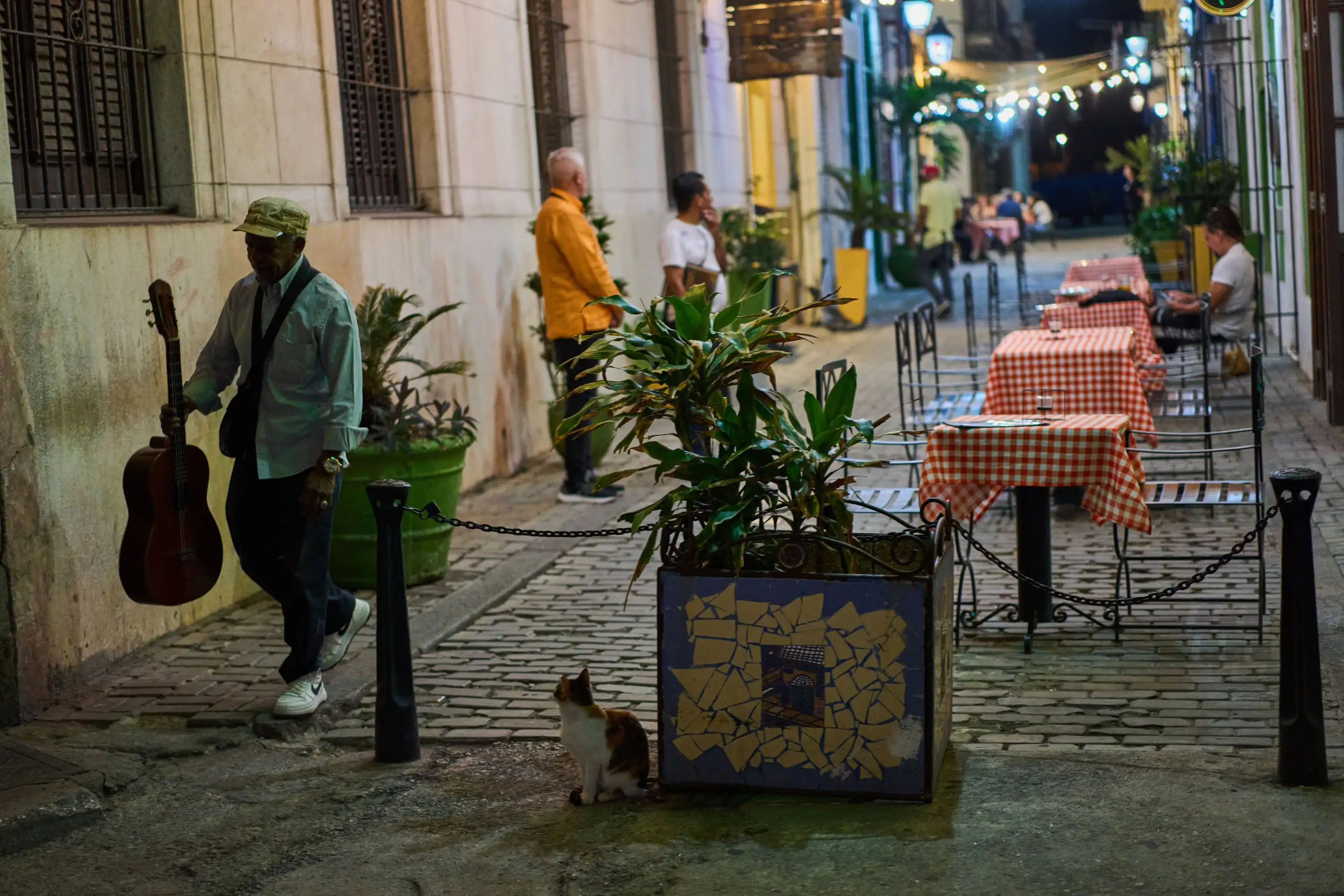
WORLDHavana: Cuba's capital, once famous for its vibrant nightlife, has fallen silent as a deepening energy crisis linked to U.S. sanctions shuts down much of the city after dark.
Streets that once buzzed with music, tourists, and late-night activity are now largely empty, with theaters closed and bars operating at minimal capacity due to fuel shortages and frequent blackouts.
Fuel Crisis Hits Daily Life
The situation stems from a tightening U.S. energy blockade that has severely restricted Cuba's access to oil, leaving the island struggling to maintain basic services.
Gasoline is heavily rationed, public transportation stops early in the evening, and residents often wait months to refuel their vehicles. The lack of fuel has also disrupted electricity generation, leading to widespread outages.
Tourism in Sharp Decline
The crisis has taken a major toll on tourism, a key pillar of Cuba's economy. Visitor numbers have dropped sharply, with only about 77,600 tourists arriving in February compared to 178,000 a year earlier.
Airlines such as Air France, Air Canada, and Iberia have suspended flights to Havana due to difficulties refueling, further isolating the island and limiting travel options.
Echoes of Past Economic Hardship
Many Cubans compare the current situation to the "Special Period" of the 1990s, when the collapse of the Soviet Union plunged the country into economic crisis. However, some say the current conditions feel even more severe.
Long-term shortages of food, water, and medicine, combined with persistent power outages, have made everyday life increasingly difficult for residents across the island.
Businesses Struggle to Survive
Entrepreneurs who once benefited from a tourism boom now face empty establishments and declining income. Cafes, restaurants, and entertainment venues struggle to attract customers as both locals and tourists cut back on spending.
Many business owners describe a cycle of hope and disappointment, opening their doors each day with little certainty that customers will arrive.
A Broader Economic Impact
The energy shortage has affected nearly every sector, from transportation and healthcare to waste collection and agriculture, highlighting the extent of Cuba's dependence on imported fuel.
As the crisis continues, Havana's nightlife — once a symbol of the city's cultural identity — has become one of its most visible casualties.
Related: Read also: US Lawmakers Slam Cuba Energy Blockade, Russia Plans Additional Oil Shipment to Cuba, Cuba Leadership Shift as U.S. Pressure Mounts .
Focuses on international relations, global trade, and geopolitical developments.

Just for You
 WORLD
WORLDLatin American Business Travel Spending Surges Toward Record $67.7 Billion Amid Regional Corporate Expansion
Business travel spending in Latin America is forecast to hit a record $67.7 billion in 2026, an 11% annual inc…
 WORLD
WORLDPan American Health Organization Validates Chile as First South American Nation to Eliminate Dog-Mediated Rabies
PAHO and WHO officially certified on September 29, 2026, that Chile has eliminated dog-transmitted rabies, bec…
 WORLD
WORLDUnited States Revokes Visas for 27 Latin American Officials Under Shield of the Americas Anti-Corruption Mandate
The U.S. State Department revoked visas for 27 Latin American officials and family members from Bolivia, Colom…
 WORLD
WORLDEighteen Suspects in Jovenel Moïse Assassination Extradited to United States as Judicial Cooperation Expands
Eighteen key suspects in the 2021 assassination of Haitian President Jovenel Moïse were extradited to the Unit…
Comments (0)
Sign in or create an account to leave a comment.