








Debate Begins on Venezuela’s Mining Reform Bill z
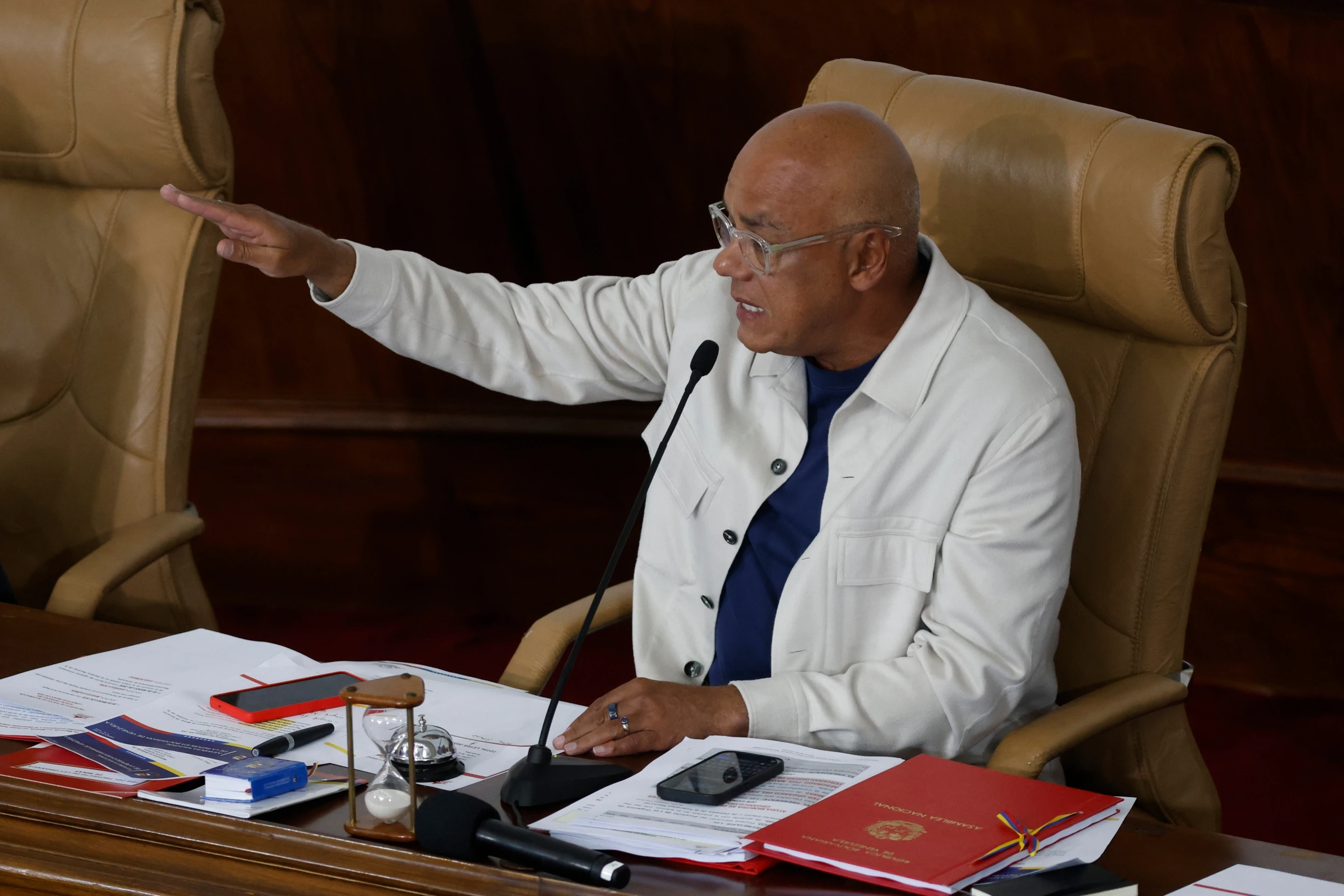
On Monday, Venezuelan lawmakers started debating a plan sponsored by acting President Delcy Rodríguez to regulate the mining industry and attract international investment. The bill intends to restore confidence among international investors, many of whom lost holdings due to expropriation decades ago, and to attract much-needed cash to bolster the country's industry. It partially parallels a recently adopted oil-industry change that allows for privatization, thereby eliminating a cornerstone of the self-proclaimed socialist movement that has dominated the country for more than two decades. Rodríguez has suggested legislation in response to pressure from the Trump administration following the deposition of President Nicolás Maduro by the US military in January. She announced the action last week during Doug Burgum's visit to Caracas.
Strategic Minerals and International Interest
Burgum's visit occurred as the Trump administration seeks to defend against China's control over critical minerals, some of which are abundant in Venezuela, and advances its phased plan to stabilize the South American country, which has been plagued by a complex crisis for the majority of Maduro's nearly 13-year rule. In addition to oil, Venezuela is rich in gold, copper, coltan, bauxite, diamonds, and other valuable mined resources, but the industry is poorly controlled, and unsafe working conditions prevail. Coltan is used to extract the elements niobium and tantalum, both of which are essential minerals and are used in cellphones and electric vehicle batteries. Bauxite is converted into aluminum, which the United States also considers a vital mineral. According to lawmaker Félix Freites, the restoration of relations between Venezuela and the United States has prompted the world's leading mining corporations to consider investing significant capital to reactivate sectors capable of ensuring the supply of critical minerals required for the development of the technology industry, the generation of new energy sources, and the production of electric vehicles. He promised to work hard to ensure the bill creates job possibilities for Venezuelans.
Key Provisions of the Proposed Mining Law
The measure in question addresses mineral rights, delineating small, medium, and large-scale mining operations. It also establishes independent dispute resolution, a provision that international investors consider essential to safeguarding against future expropriation. Earlier this year, Rodríguez signed legislation that incorporated an independent arbitration system for the oil sector. The bill prohibits the president, vice president, ministers, governors, and others from holding mining titles. Guerrillas, gangs, and other illicit groups have long controlled Venezuela's mineral-rich areas, mining with the consent—and benefit—of politicians and military personnel. Many foreign firms that invested in Venezuela, especially in the mining and oil sectors, had their assets expropriated nearly two decades ago. Then, in 2016, Nicolás Maduro's government formed a massive mining development zone spanning the country's central region to supplement flagging earnings from its dominating oil industry, which has seen production fall due to mismanagement, corruption, and US sanctions.
Illegal Mining, Sanctions and Economic Challenges
Since the mining zone was established, operations for gold, diamonds, copper, and other minerals have increased. Many are wildcat mines that operate under harsh conditions and with the presence of criminal organizations, yet ordinary Venezuelans continue to go there in the hopes of becoming wealthy quickly and escaping poverty. Officials and military personnel take a portion of illicit mining earnings in exchange for authorizing mine operations, access to fuel and equipment, and ore transportation. Last week, the United States greenlit a sanctions license, paving the way for transactions involving Minerven. Delcy Rodríguez shared the news on Wednesday, highlighting the measure's potential benefits for Venezuelans' social welfare. She further stressed the importance of Venezuelans recognizing the advantages of cultivating robust ties with the international community, including the United States.



Leave a Comment
Your email address will not be published. Required fields are marked *
Latamchronicle
Live, Breaking News Theme