






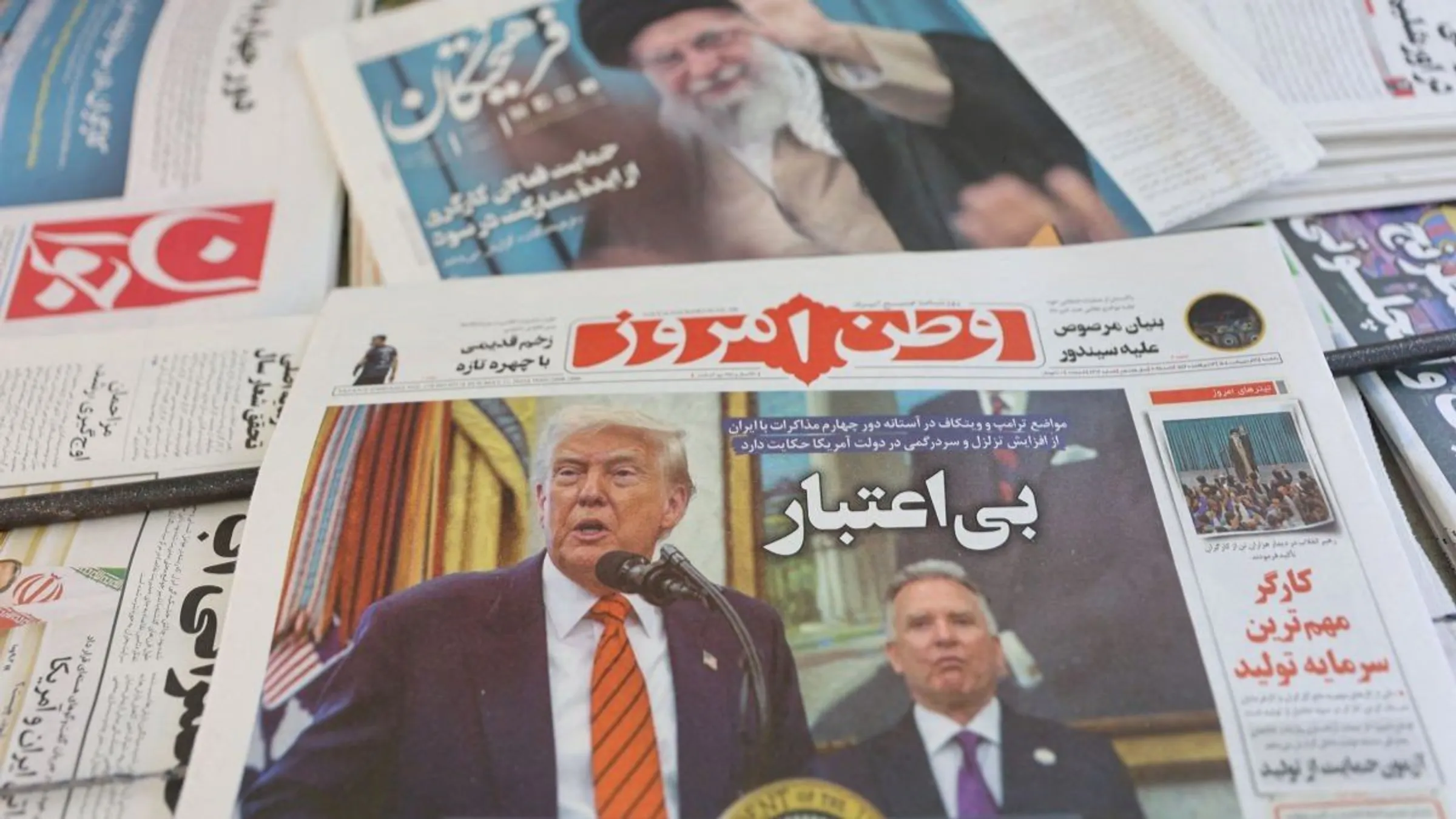
Dubai: Iran and the United States remain locked in a diplomatic deadlock as tensions continue to rise across the Middle East despite a fragile ceasefire agreement.
The latest standoff comes ahead of U.S. President Donald Trump’s upcoming trip to China, where he is expected to pressure Chinese President Xi Jinping to push Iran toward concessions aimed at ending the ongoing conflict.
The ceasefire between Washington and Tehran has shown signs of collapse in recent days as both sides exchanged fire, while additional clashes involving Israel and Hezbollah have intensified fears of a broader regional war.
The growing instability has also deepened the global energy crisis, with oil markets rattled by disruptions surrounding the Strait of Hormuz, one of the world’s most critical shipping routes for oil and natural gas exports.
Iran and US Clash Over Nuclear Conditions
At the center of the dispute is Iran’s stockpile of highly enriched uranium.
Iran insists that the United States must first lift sanctions and end its blockade of Iranian ports before any meaningful nuclear negotiations can begin.
However, the United States and Israel are demanding that Iran surrender or remove its enriched uranium stockpile, arguing that the material could potentially be used to build nuclear weapons.
Tehran continues to deny any intention of developing a bomb, maintaining that its nuclear program is strictly for peaceful civilian purposes.
President Trump rejected a new Iranian proposal delivered through Pakistani mediators on Sunday, calling the response “totally unacceptable.”
According to Iranian state media, Tehran’s proposal demanded war reparations, the release of frozen Iranian assets, full sovereignty over the Strait of Hormuz, and an end to sanctions.
Israel Warns War Could Resume
Israeli Prime Minister Benjamin Netanyahu warned that the conflict is “not over,” stressing that removing Iran’s enriched uranium remains a central objective.
In an interview with CBS’ “60 Minutes,” Netanyahu stated that if diplomacy fails, Israel and the United States could resume military action against Iran.
He also suggested that the current Iranian government’s “days are numbered,” although he acknowledged the process could take time.
The conflict, which began earlier this year, has already resulted in the deaths of several senior Iranian officials and caused significant economic damage inside Iran.
Despite the pressure, Iran’s ruling establishment continues to maintain control.
Regional Violence Continues Escalating
Fighting has also intensified between Israel and Hezbollah despite an existing ceasefire arrangement.
Recent exchanges included Israeli airstrikes inside Lebanon and Hezbollah attacks that reportedly killed another Israeli soldier.
The continued violence has heightened concerns that the broader Middle East could once again slide into full-scale warfare.
Meanwhile, Iran has continued carrying out executions tied to alleged espionage cases.
Iranian authorities on Monday announced the execution of Erfan Shakourzadeh, who was accused of spying for both the CIA and Israel’s Mossad intelligence agency.
Human rights organizations have repeatedly criticized Iran for conducting closed-door trials and accelerating executions amid political unrest and regional tensions.
China and Russia Could Play Key Roles
Trump’s upcoming visit to China is expected to focus heavily on Iran, particularly because Beijing remains the largest buyer of sanctioned Iranian oil.
Analysts believe China’s economic influence could give it leverage over Tehran during negotiations.
Russia has also offered to take custody of part of Iran’s enriched uranium stockpile as a possible compromise solution.
Moscow previously played a similar role under the 2015 Iran nuclear agreement.
However, Iranian officials said their immediate priority remains ending the war rather than discussing long-term nuclear arrangements.
The diplomatic stalemate leaves the region facing continued uncertainty as military tensions, economic pressure, and geopolitical rivalries continue to collide.