



US Lawmakers Slam Cuba Energy Blockade
US lawmakers criticize Cuba energy blockade as “economic bombing.”





 POLITICS
US Lawmakers Criticize Cuba Energy Blockade
HAVANA (AP) — Two U.S lawmakers called for a permanent solution to Cuba’s crises after witnessing the effects of a U.S. energy blockade during an official visit to the island. Democratic Reps. Pramila Jayapal of Washington and Jonathan Jackson of Illinois met with Cuban President Miguel Díaz-Canel, Foreign Minister Bruno Rodríguez and members of Parliament during a five-day trip that ended Sunday. Díaz-Canel wrote on X Monday that upon meeting with Jayapal and Jackson, he “denounced the criminal damage caused by the #blockade, particularly the consequences of the energy embargo imposed by the current U.S. administration and its threats of even more aggressive actions.”
Calls for Dialogue and Policy Change
Díaz-Canel added that his government remains willing to engage in serious bilateral dialogue to resolve differences. Both the U.S. and Cuba have acknowledged ongoing high-level talks, though no details have been disclosed. Jayapal said recent steps taken by Cuba — including opening parts of its economy, pardoning more than 2,000 prisoners and cooperating with a U.S. investigation — indicate an opportunity for meaningful negotiations and a shift away from decades-old U.S. policies rooted in Cold War dynamics.
Impact of Fuel Shortages on Daily Life
The energy blockade has significantly worsened Cuba’s economic crisis. The country, which produces only about 40% of its fuel needs, has faced severe shortages after oil shipments from Venezuela were halted. The result has been nationwide blackouts, gasoline shortages, reduced public transport, hospital disruptions and broader economic hardship for citizens already struggling with years of crisis. While a recent Russian oil shipment offered temporary relief, experts say it only covers a few days of demand and does not solve the underlying problem.
‘Economic Bombing’ and Political Reactions
Jayapal and Jackson described the blockade as “cruel collective punishment” and “economic bombing,” arguing that it has caused lasting damage to Cuba’s infrastructure and population. Jackson also compared the situation to global efforts to keep the Strait of Hormuz open for oil flow, emphasizing the need for humanitarian access to energy in the Western Hemisphere. The lawmakers said they will continue working on initiatives in Congress aimed at lifting sanctions and addressing the humanitarian crisis on the island.
Related: Read also: Trump Defends Venezuela Raid and Warns Cuba, Cuba Confirms US Talks Amid Deep Energy Crisis, and Cuba Leadership Shift as U.S. Pressure Mounts.
Analyzes political developments, elections, and government policy with in-depth reporting.
Just for You
 POLITICS
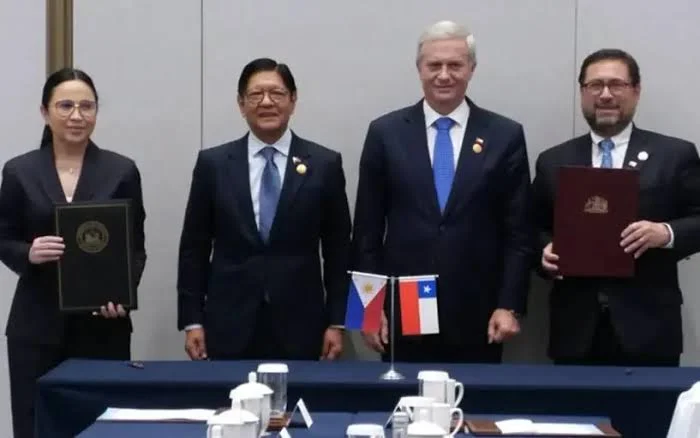
Chile and Philippines Sign Milestone Free Trade Pact at APEC Summit Opening New Trans-Pacific Corridor
On the sidelines of the APEC Leaders' Summit on November 20, 2026, Chilean President José Antonio Kast and Phi…
 POLITICS
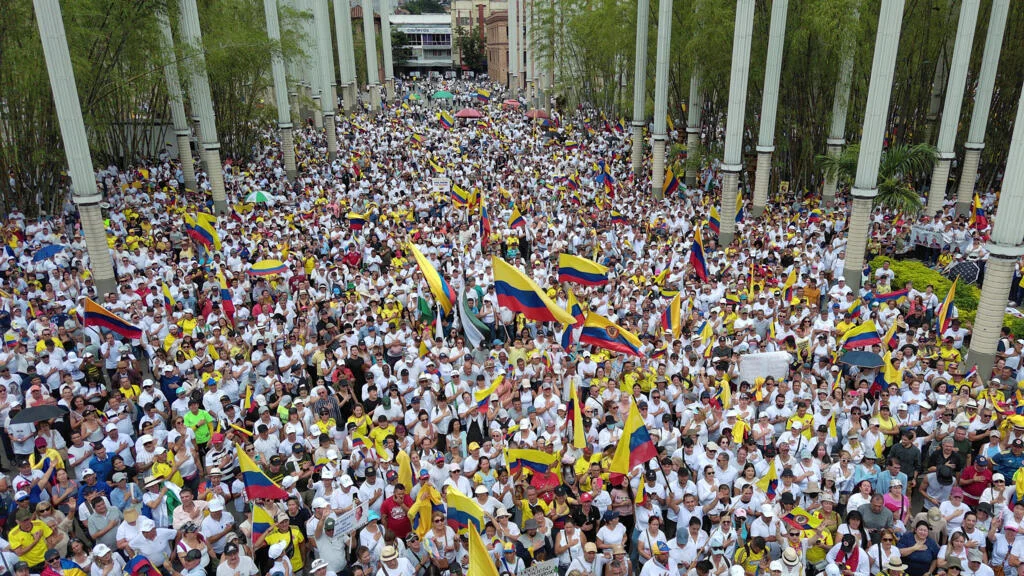
Colombia Nationwide Strike Mobilizes Hundreds of Thousands Across Major Cities Over Social and Labor Reforms
Hundreds of thousands of union members, educators, transport workers, and civic organizations paralyzed metrop…
 POLITICS
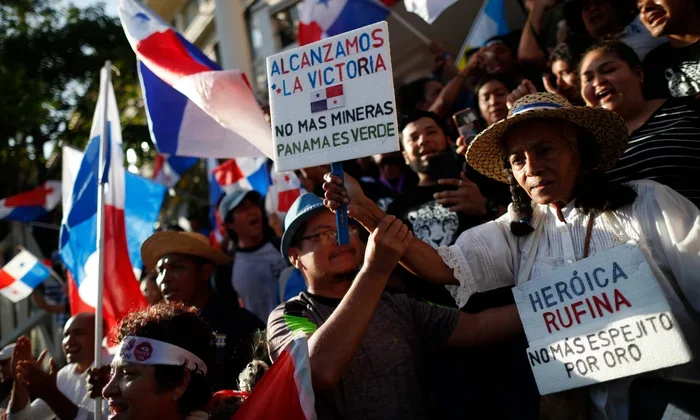
Panama City Shaken by Mass Protests as Government Reopens Review of Cobre Panama Mining Concession
Tensions escalated dramatically across Panama on November 17–18, 2026, as tens of thousands of environmentalis…
 POLITICS
President Claudia Sheinbaum Outlines Pragmatic Trade Strategy Safeguarding Sovereign Growth Ahead of USMCA Review
During an authoritative economic address at the National Palace on November 17, 2026, Mexican President Claudi…
Comments (0)
Sign in or create an account to leave a comment.