



Trump Iran Threat Raises War Crime Concerns
Experts warn Trump’s Iran threats could violate international law.





 POLITICS
Trump Threatens Iran Infrastructure
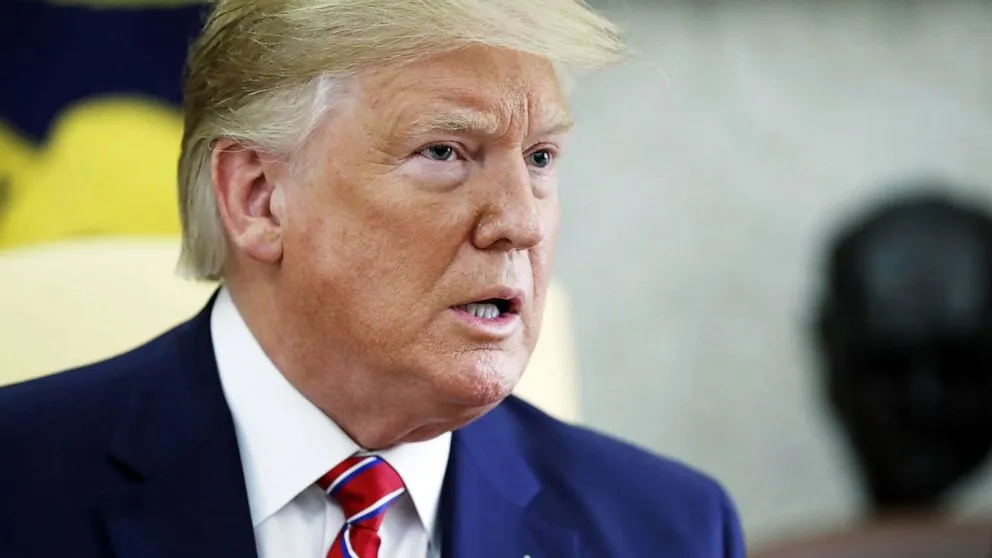
WASHINGTON (AP) — In his news conference Monday, President Donald Trump threatened to blow up every bridge and power plant in Iran, action that would be so far-reaching that some experts in military law said it could constitute a war crime. The issue could turn on whether the power plants were legitimate military targets, whether the attacks were proportional compared with what Iran has done and whether civilian casualties were minimized.
International Law and War Crime Concerns
Trump’s threat was so broad it did not seem to account for the harm to civilians, prompting Democrats in Congress, some United Nations officials and scholars in military law to say such strikes would violate international law. A spokesman for U.N. Secretary-General Antonio Guterres on Monday warned that attacking such infrastructure is banned under international law. “Even if specific civilian infrastructure were to qualify as a military objective,” Stephane Dujarric said, an attack would still be prohibited if it risks “excessive incidental civilian harm.” Rachel VanLandingham, a Southwestern Law School professor who served as a judge advocate general in the U.S. Air Force, said civilians are likely to die if power is cut to hospitals and water treatment plans.
Escalating Tensions and Strategic Risks
Shipping in the Strait of Hormuz, a chokepoint in the Persian Gulf through which 20% of the world’s oil normally flows, has been all but halted, sending oil prices soaring and roiling the stock market. Trump said Monday that he’s “not at all” concerned about committing war crimes as he continues to threaten destruction. He also warned that every power plant will be “burning, exploding and never to be used again.” “I hope I don’t have to do it,” Trump added.
Political Reactions and Legal Debate
Republican Sen. Joni Ernst of Iowa said Monday that Trump is “absolutely not” threatening a war crime when he said he might bomb civilian infrastructure, while Democratic Sen. Chris Van Hollen of Maryland said it would be a “textbook war crime.” Experts note that even if technically justified under the law of war, such actions could have long-term consequences. Rachel VanLandingham warned that rhetoric like this risks spreading fear among civilians and could be used as propaganda, potentially prolonging conflict and escalating tensions further.
Related: Read also: Congress Challenges Trump War Powers in Iran Debate, Trump Launches Americas Counter-Cartel Coalition, and Trump Defends Venezuela Raid and Warns Cuba.
Analyzes political developments, elections, and government policy with in-depth reporting.

Just for You
 POLITICS
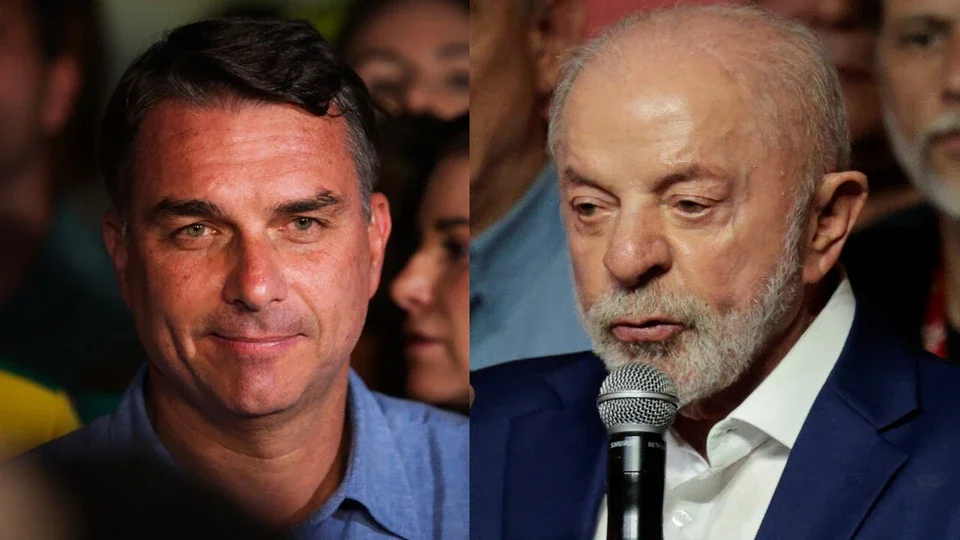
Flávio Bolsonaro and Lula Advance to High-Stakes Presidential Runoff After Tight October 4 First Round
Brazil's presidential election heads to an October 25 runoff after Flávio Bolsonaro captured 47% and President…
 POLITICS
Brazil Campaign Enters Final Frenzy as TSE Deploys Unprecedented Security Ahead of October 4 General Election
Brazil's electoral court deployed over 500,000 security personnel on September 30, 2026, to safeguard the Octo…
 POLITICS
Brazil Presidential Race Deadlocked as Lula and Flávio Bolsonaro Debate Clashes Heighten Tensions Ahead of October Vote
Brazil's presidential race between President Lula and Senator Flávio Bolsonaro remains deadlocked at 41% ahead…
 POLITICS
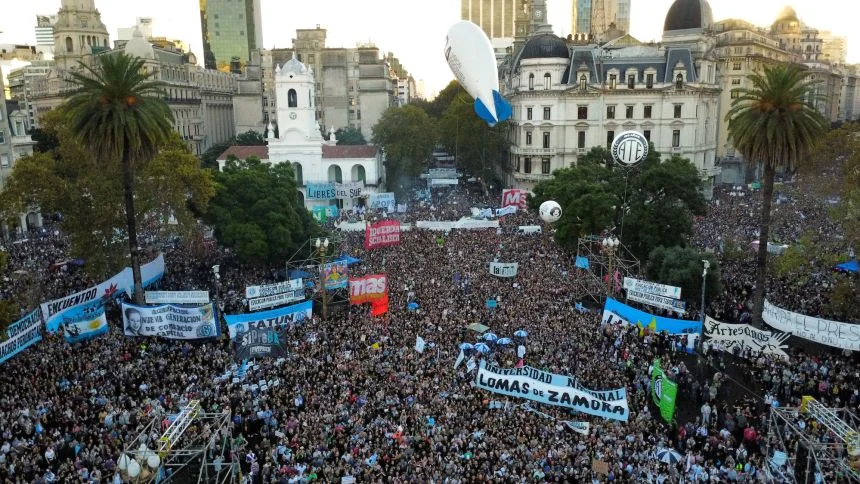
Argentine Unions and Civil Coalitions Stage Massive 'March of Anger' Against Milei Austerity Mandates
Tens of thousands marched across Buenos Aires on September 20, 2026, in the 'March of Anger' organized by Arge…
Comments (0)
Sign in or create an account to leave a comment.