







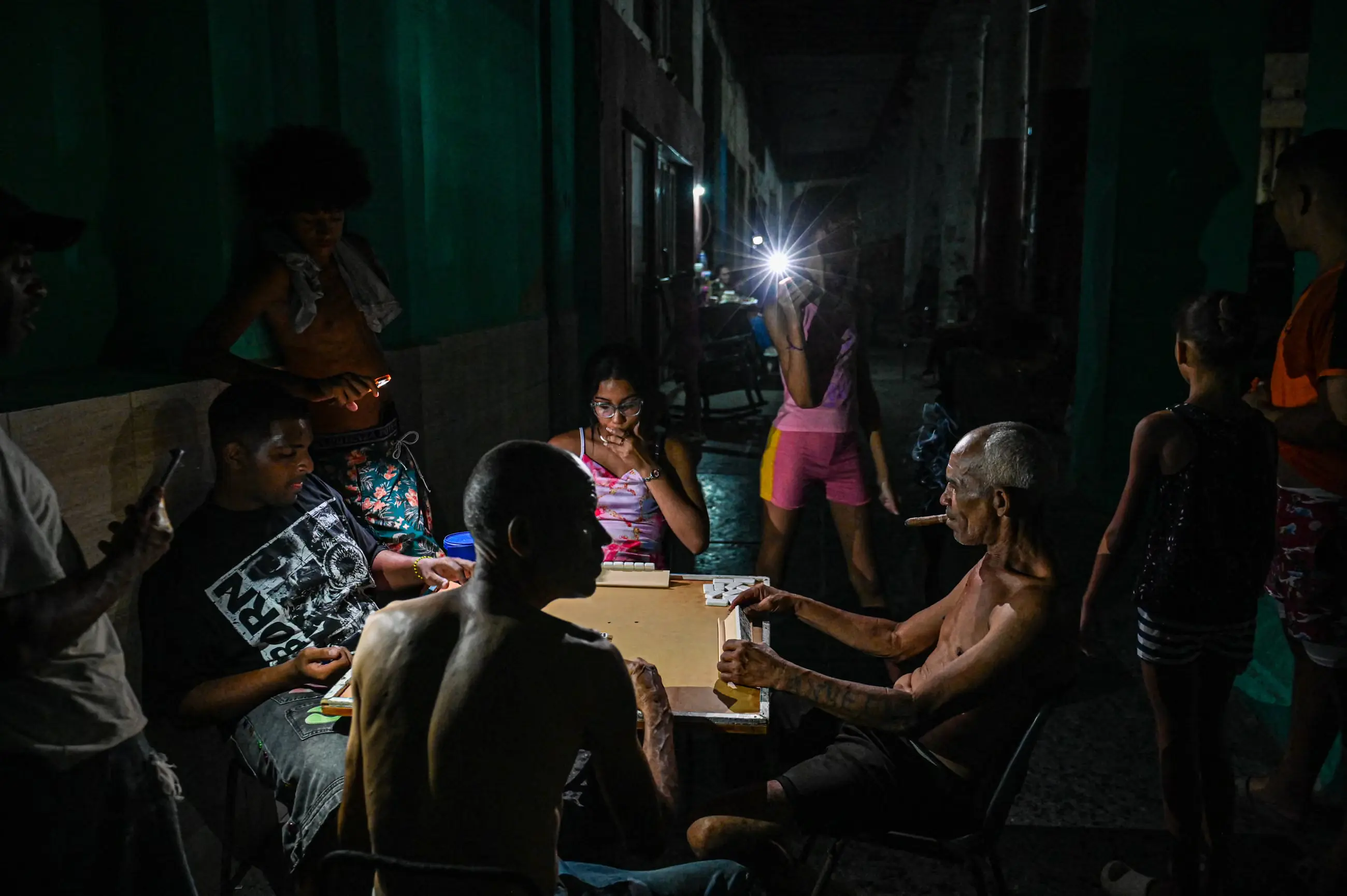
HAVANA – Life in Cuba has been reduced to a constant negotiation with darkness and silence. Four months into what authorities describe as an intensified US oil blockade, the Caribbean island is experiencing an unprecedented energy crisis, with citizens enduring endless power outages that have crippled daily life, economic activity, and social stability. The state electric company, Unión Eléctrica (UNE), is fighting a losing battle, often failing to provide even a few hours of electricity each day, leaving millions without basic services.
From the bustling streets of Havana to the remote rural communities, the impact is pervasive. Residents report a grim reality: no electricity for refrigeration, plunging food security; no gas for cooking, forcing a return to archaic methods; and a pervasive lack of sleep, as the tropical heat becomes unbearable without fans or air conditioning. The cumulative effect is a population on edge, navigating a crisis that feels increasingly existential.
The Deepening Blockade and Its Immediate Impact
The current energy emergency is directly attributed by Cuban authorities to the tightening of the US economic embargo, specifically targeting oil shipments to the island. While the US embargo against Cuba has been in place for over six decades, recent administrations have intensified measures, particularly those aimed at disrupting Cuba's access to foreign currency and essential imports, including fuel. This escalation has made it exceedingly difficult for Cuba to secure the necessary crude oil and refined products to power its thermoelectric plants, which generate the vast majority of the nation's electricity.
Cuba, an island nation with limited domestic oil production, relies heavily on imports to meet its energy demands. Historically, Venezuela has been a crucial supplier, often providing oil under preferential terms. However, Venezuela's own economic and political turmoil has severely curtailed its capacity to maintain these shipments. This, combined with the US sanctions making it challenging for Cuba to purchase oil from other international markets – as shipping companies and financial institutions fear secondary sanctions – has created a perfect storm for the island's energy sector.
The immediate consequence is a dramatic reduction in available fuel for power generation. UNE's aging infrastructure, already prone to breakdowns and in need of significant investment for modernization, is further strained by the lack of consistent fuel supply. This results in planned blackouts, known as 'apagones', that can last anywhere from 8 to 16 hours, and often extend even longer due to unexpected generator failures or an inability to restart plants.
Daily Life Under Siege: A Nation Drained
The human toll of these outages is profound. Families struggle to preserve food without refrigerators, leading to increased waste and concerns over foodborne illnesses. The absence of gas for cooking means many are resorting to wood fires or charcoal, a practice that is not only laborious and time-consuming but also contributes to indoor air pollution and deforestation. Access to clean water is often compromised, as pumps require electricity to function.
Education is disrupted as students cannot study at night or access online resources. Healthcare facilities, while often prioritized for power, still face challenges, with backup generators requiring fuel that is scarce. Communication is also severely impacted; mobile phones and internet access are unreliable when charging points are unavailable and cellular towers lose power.
Beyond the practical challenges, there is a deep psychological impact. The constant uncertainty, the relentless heat, and the pervasive darkness contribute to widespread stress, anxiety, and sleep deprivation. Many Cubans speak of a feeling of being 'drained', both physically and emotionally, by the relentless struggle for basic necessities.
Economic Fallout and Social Strain
The energy crisis has exacerbated Cuba's already precarious economic situation. Businesses, particularly small and medium-sized enterprises (MSMEs) that have recently been allowed to operate, are struggling to function. Restaurants cannot refrigerate ingredients, shops cannot operate cash registers or lighting, and manufacturing stalls without power. This leads to lost income, job insecurity, and a further contraction of the economy.
The tourism sector, a vital source of foreign currency for the island, is also feeling the pinch. While major tourist resorts often have dedicated power sources or generators, the general atmosphere of scarcity and the visible struggles of the local population can deter visitors and impact the overall experience.
Socially, the crisis is testing the resilience of the Cuban people. While there is a long history of coping with scarcity and hardship, the current situation is seen by many as particularly severe. Frustration is palpable, and there are growing concerns about the potential for social unrest, though public demonstrations remain tightly controlled.
Looking Ahead: A Bleak Outlook Without Change
The Cuban government continues to appeal to the international community to condemn the US embargo and its perceived tightening. They emphasize the humanitarian impact of the sanctions and call for a return to dialogue and normalized relations. However, with the geopolitical landscape remaining complex, a swift resolution to the US-Cuba standoff appears unlikely.
For the time being, Cubans face an uncertain future. The state electric company continues its desperate efforts to manage the grid with insufficient resources, implementing rotational blackouts and prioritizing essential services where possible. Yet, without a significant and stable influx of fuel, or a dramatic shift in international relations, the island nation seems destined to remain in the dark, its people enduring a crisis that shows no immediate signs of abating.
The struggle for electricity in Cuba is more than just an infrastructure problem; it is a stark illustration of how international political tensions can translate into profound daily suffering for ordinary citizens, leaving them on edge amid the endless cycle of outages.