







The T-MEC, a modernized successor to the North American Free Trade Agreement (NAFTA), represents the bedrock of North American economic integration. For Mexico, the treaty is indispensable, facilitating nearly 80% of its exports to its northern neighbor and anchoring its economy within a vast supply chain network. The current review, however, is far from a routine check-up; it is a high-stakes negotiation fraught with deep-seated disagreements and geopolitical pressures.
The Shadow of Migration
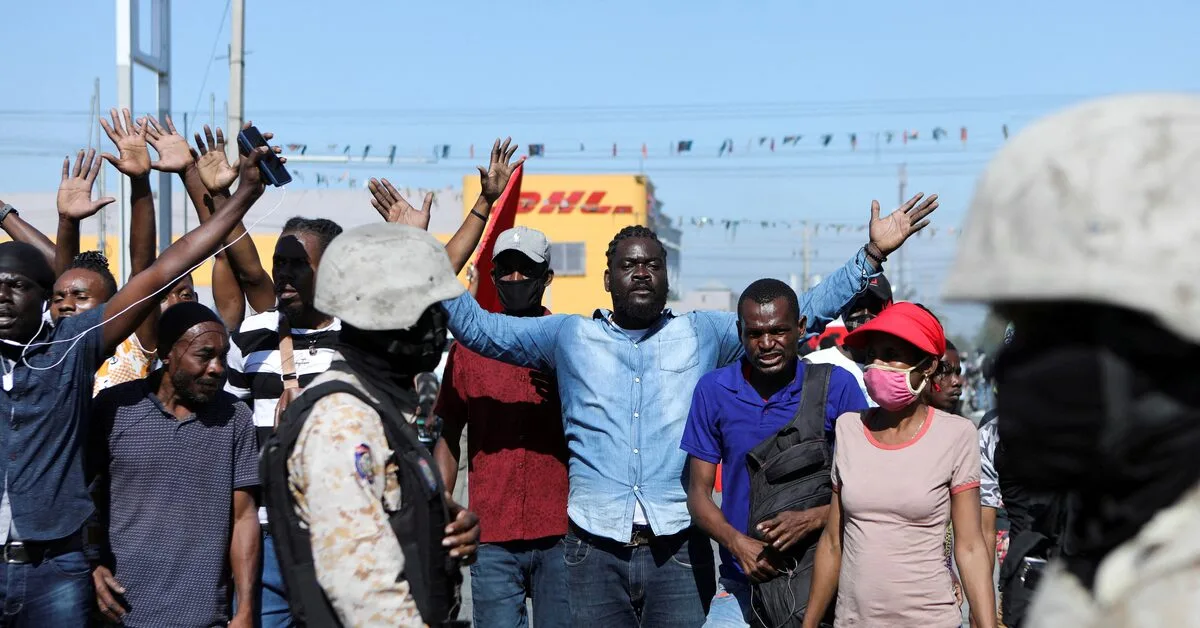
One of the most pressing and emotionally charged issues casting a shadow over the trade talks is the escalating humanitarian crisis at the U.S.-Mexico border. Reports of Mexican migrants dying in harsh conditions, sometimes linked to the intense enforcement actions by border authorities, have ignited outrage and intensified calls for more humane and effective migration policies. For Mexico, the deaths of its citizens attempting to cross the border represent a profound national concern, demanding a robust response from its government.
U.S. border policies, often driven by domestic political considerations and the sheer volume of migrants and asylum seekers, have placed immense pressure on Mexico. The Mexican government has increasingly taken on the role of a gatekeeper, implementing its own enforcement measures to stem the flow of migrants, often at the behest of Washington. This delicate balance—cooperating with the U.S. on migration while advocating for the rights and safety of its own citizens—is a constant tightrope walk for Mexican diplomats and policymakers. The perception that trade benefits are sometimes leveraged against Mexico to enforce U.S. migration agendas adds a layer of complexity and potential resentment to the T-MEC discussions.
Broader Trade Tensions: The Canada Factor
While the immediate talks are bilateral between Mexico and the U.S., the source explicitly mentions "tariffs on Canada," hinting at the broader, often contentious, trilateral trade environment. Disputes over steel and aluminum tariffs, dairy quotas, and other sector-specific issues have periodically strained relations between the U.S. and Canada, both key T-MEC partners. These broader tensions serve as a reminder that the North American trade landscape is not monolithic; bilateral agreements are always influenced by the wider trilateral dynamic.
For Mexico, observing the U.S.'s willingness to impose tariffs on Canada, even a close ally, underscores the potential for similar actions against its own industries. This creates an imperative for Mexico to ensure the T-MEC's dispute resolution mechanisms are robust and effective, providing a shield against unilateral trade actions. The interwoven nature of North American supply chains means that disruptions in one part of the continent, such as U.S.-Canada tariff disputes, can have ripple effects that impact Mexican manufacturers and exporters.
Key Areas of T-MEC Review
Beyond migration and the specter of tariffs, several specific provisions within T-MEC are likely to be scrutinized during these bilateral talks:
- Labor Rights: A cornerstone of the modernized agreement, T-MEC introduced stronger provisions for labor unions and worker protections in Mexico. The U.S. has actively used these mechanisms to challenge alleged labor violations in Mexican factories, particularly in the auto sector. Mexico's progress in implementing these reforms and ensuring fair labor practices will undoubtedly be a key discussion point.
- Energy Policy: Mexico's current administration under President Andrés Manuel López Obrador (AMLO) has pursued a nationalistic energy policy, prioritizing state-owned companies like Pemex and CFE. This approach has led to disputes with U.S. energy companies operating in Mexico, who argue it violates T-MEC provisions on fair competition and investment protection. Resolving these energy sector disagreements is crucial for maintaining investor confidence.
- Rules of Origin: Especially in the automotive sector, rules of origin dictate how much of a product must be manufactured within North America to qualify for tariff-free trade. Adjustments or stricter enforcement of these rules could significantly impact supply chains and manufacturing strategies across the region.
- Environmental Protections: T-MEC includes chapters on environmental cooperation and enforcement. Discussions may focus on Mexico's adherence to these standards and efforts to combat illegal logging, pollution, and other environmental concerns that have cross-border implications.
Economic and Political Stakes
For Mexico, the stakes could not be higher. The stability and predictability offered by T-MEC are vital for attracting foreign direct investment, fostering manufacturing growth, and ensuring access to its largest export market. Any significant disruption or unfavorable amendment to the agreement could have severe economic repercussions, potentially undermining the country's economic recovery and development goals.
Politically, both President AMLO and U.S. President Joe Biden face domestic pressures. AMLO aims to consolidate his legacy and navigate a complex relationship with the U.S. while upholding national sovereignty. Biden, with upcoming elections, must balance the demands of American industries and labor unions with the need for stable relations with a key strategic partner and neighbor. The outcome of these talks will not only shape the future of North American trade but also influence the broader geopolitical alignment of the continent.
As the dialogue unfolds, the ability of Mexico and the U.S. to compartmentalize or, conversely, to integrate discussions on trade, migration, and other complex issues will be critical. The T-MEC review is more than a technical trade negotiation; it is a profound test of the enduring, albeit often challenging, partnership between two nations inextricably linked by geography, economy, and shared destinies.