






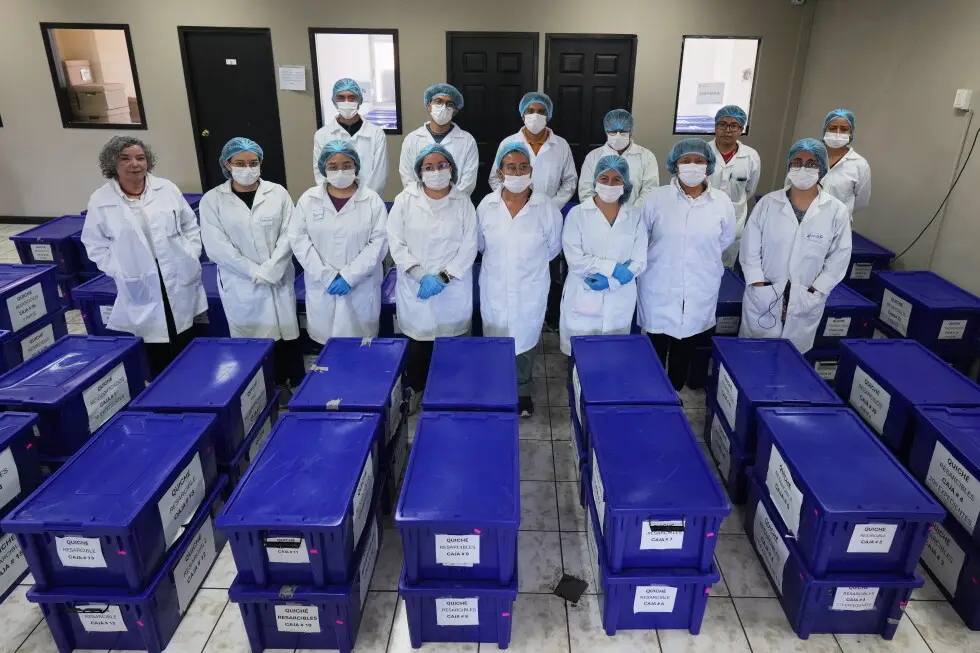
CIUDAD DE GUATEMALA – Guatemala finds itself in a critical race against time, striving to secure an estimated 60,000 testimonies from victims of its devastating internal armed conflict, which raged from 1960 to 1996. These vital records, meticulously compiled from individuals seeking reparations for the profound abuses they endured, represent a collective memory indispensable for the nation’s journey towards truth, justice, and lasting peace.
The urgency to safeguard these archives underscores a broader struggle in Guatemala to confront a past scarred by state-sponsored violence, massacres, forced disappearances, and widespread human rights violations. For decades, the Central American nation was gripped by a brutal conflict between government forces, paramilitary groups, and leftist guerrillas. While the exact figures remain contested, the United Nations-backed Historical Clarification Commission (CEH) concluded that over 200,000 people were killed or disappeared during the conflict, with the vast majority of atrocities attributed to the state and its allies. Indigenous Mayan communities bore the brunt of the violence, often targeted in scorched-earth campaigns that amounted to genocide.
These 60,000 testimonies are not mere documents; they are the voices of survivors, bearing witness to unimaginable suffering and resilience. Each expediente, or file, contains personal narratives, detailing specific abuses and their devastating impact. They serve as crucial evidentiary material for legal proceedings, historical research, and educational initiatives, ensuring that the experiences of victims are not erased or forgotten. Their preservation is paramount for accountability, offering a pathway to justice for those who have long sought it, and a deterrent against future atrocities.
The challenges in protecting such a vast and sensitive collection are multifaceted. Physically, the documents are vulnerable to degradation from environmental factors, improper storage, and the simple passage of time. Without adequate resources for digitization, climate-controlled facilities, and expert archival practices, these irreplaceable records face the risk of irreversible loss. Beyond the physical threats, there are significant political hurdles. Forces within Guatemala that seek to deny or downplay the atrocities of the past often exert pressure to obstruct efforts at historical preservation and accountability. The destruction or suppression of such archives could effectively silence victims once more, perpetuating a cycle of impunity that has plagued the nation for decades.
Guatemala’s struggle is not unique in Latin America, a region with a long and often painful history of state violence and post-conflict transitions. Countries like Argentina, Chile, Peru, and Colombia have grappled with similar challenges in preserving the memory of state-sponsored terror. Argentina’s ESMA Museum and Site of Memory, a former clandestine detention center, and Chile’s Museum of Memory and Human Rights stand as powerful testaments to national efforts to confront traumatic pasts through physical spaces and archival preservation. These examples highlight the critical role that robust institutional frameworks and sustained political will play in consolidating transitional justice mechanisms.
In Guatemala, the fight against impunity remains an uphill battle. Despite landmark convictions, such as the 2013 genocide conviction of former dictator Efraín Ríos Montt (later overturned on procedural grounds), many perpetrators of human rights abuses continue to evade justice. The testimonies held within these archives are often the only remaining evidence connecting individuals to specific crimes, making their preservation an act of defiance against historical revisionism and a bulwark against forgetting. They empower victims and their families, offering a tangible link to a past that powerful actors often wish to bury.
Civil society organizations, human rights advocates, and international bodies have consistently championed the cause of memory and justice in Guatemala. Their tireless efforts have been instrumental in pushing for the establishment of truth commissions, forensic anthropology teams, and the very reparations processes that generated these vital testimonies. The current initiative to safeguard these documents is a testament to their enduring advocacy and the unwavering courage of the victims themselves.
As Guatemala races against the clock, the successful protection of these 60,000 testimonies will be more than just an archival achievement; it will be a profound act of national healing and democratic consolidation. It will signify a commitment to confronting a difficult past head-on, ensuring that the voices of those who suffered are heard across generations, and that the lessons learned from one of Latin America’s most brutal conflicts are never forgotten. Preserving these records is not merely about history; it is about securing a more just and equitable future for all Guatemalans.