







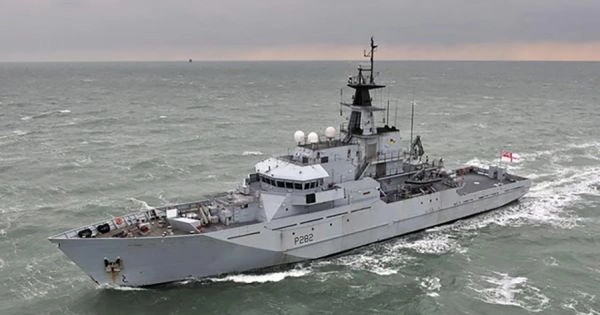
MONTEVIDEO – In a significant move to bolster its maritime defense capabilities, the Uruguayan government is set to present a formal offer this week for the acquisition of three used offshore patrol vessels (OPVs) from the British Royal Navy. The proposed deal, valued at approximately 60 million euros, signifies a direct state-to-state purchase intended to revitalize Uruguay’s aging naval fleet.
Deputy Secretary of the Presidency, Jorge Díaz, announced the imminent submission of the offer to the United Kingdom’s embassy, underscoring the urgency with which President Yamandú Orsi’s administration is pursuing naval modernization. This initiative directly addresses the void left by the termination of a previous contract with the Spanish shipyard Cardama, a decision now accompanied by escalating accusations from the Uruguayan executive regarding the alleged misuse of public funds transferred to the Vigo-based company.
A Critical Need for Maritime Renewal
For years, the Uruguayan Navy has grappled with an aging fleet, with many of its vessels dating back several decades. The current patrol capabilities are largely insufficient to effectively monitor and protect Uruguay’s extensive Exclusive Economic Zone (EEZ), which spans over 125,000 square kilometers. This vast maritime territory is rich in natural resources, particularly fishing grounds, and serves as a vital transit route for international shipping. Consequently, it is also vulnerable to illegal activities such as unauthorized fishing, drug trafficking, and smuggling.
The acquisition of modern offshore patrol vessels is deemed crucial for the Navy to adequately perform its core missions: search and rescue (SAR) operations, environmental protection, surveillance of fishing activities, and interdiction of illicit maritime traffic. The existing fleet of patrol boats, some of which are over 50 years old, often lacks the range, endurance, and technological sophistication required for sustained operations in the South Atlantic, particularly far from shore.
The Shadow of the Cardama Controversy
The current bid for British vessels unfolds against the backdrop of a contentious and ultimately failed attempt to acquire new ships from the Spanish shipyard Cardama. The original contract, which aimed to deliver new patrol vessels, was heralded as a cornerstone of Uruguay's naval modernization plan. However, the project encountered significant delays and ultimately stalled, leading to its termination by the Uruguayan government.
The breakdown of the Cardama deal has not only left Uruguay's naval requirements unmet but has also ignited a political firestorm. The Orsi administration has intensified its accusations against Cardama, alleging the improper use of public funds that had been advanced for the project. While specific details of the accusations remain under wraps, the “hardening” of the executive’s stance suggests potential legal action or further investigations into the handling of the public monies. This experience has likely steered Montevideo towards a more cautious, and perhaps more pragmatic, direct state-to-state procurement approach.
Strategic Advantages of a Direct State-to-State Purchase
The decision to pursue a direct state-to-state purchase for the Royal Navy vessels offers several strategic advantages over a traditional commercial shipbuilding contract. Such agreements typically streamline the procurement process, reducing bureaucratic hurdles and potentially accelerating delivery times. For Uruguay, which faces an immediate need to replace its dilapidated fleet, the prospect of acquiring operational, albeit used, vessels quickly is highly appealing.
Moreover, a direct government-to-government transaction often fosters greater trust and transparency, mitigating some of the risks associated with private contractors, especially after the Cardama experience. While the exact class of Royal Navy vessels has not been specified, many navies around the world have successfully integrated former British offshore patrol vessels, known for their robust design and proven operational capabilities. These vessels, while not brand new, are expected to offer a significant upgrade in terms of technology, endurance, and operational efficiency compared to Uruguay's current assets.
Political and Regional Implications
President Yamandú Orsi, who assumed office recently, has made national security and the effective use of public resources key tenets of his administration. This naval acquisition bid aligns with his commitment to strengthening Uruguay’s defense posture and ensuring fiscal responsibility. The successful conclusion of this deal would be a significant political win, demonstrating the government’s ability to deliver on critical infrastructure projects after a prior setback.
From an international relations perspective, the purchase would further solidify defense cooperation between Uruguay and the United Kingdom. While the UK is not a traditional major arms supplier to Latin America, such a deal could open avenues for future collaboration in training, maintenance, and logistical support.
Regionally, Uruguay's efforts mirror a broader trend in Latin America where countries are increasingly recognizing the strategic importance of their maritime domains. Nations like Argentina, Brazil, and Chile have also undertaken various initiatives to modernize their naval forces, driven by similar concerns over EEZ protection, illegal activities, and the need for enhanced search and rescue capabilities. Uruguay's move, therefore, fits within a continental push towards greater maritime security and sovereignty.
Looking Ahead
Should the offer be accepted, the next steps would involve detailed negotiations, potentially followed by parliamentary approval in Uruguay. The integration of these vessels into the Uruguayan Navy would require significant planning for crew training, logistical adjustments, and the establishment of maintenance protocols. However, the prospect of acquiring three capable offshore patrol vessels represents a crucial step forward for Uruguay’s aspirations to effectively safeguard its maritime interests and project its presence in the South Atlantic.
The 60-million-euro investment, while substantial for a nation of Uruguay’s size, reflects a strategic commitment to national security and economic protection. It marks a decisive pivot from past procurement challenges and signals a determined effort by the Orsi administration to ensure the country’s naval forces are fit for purpose in the 21st century.