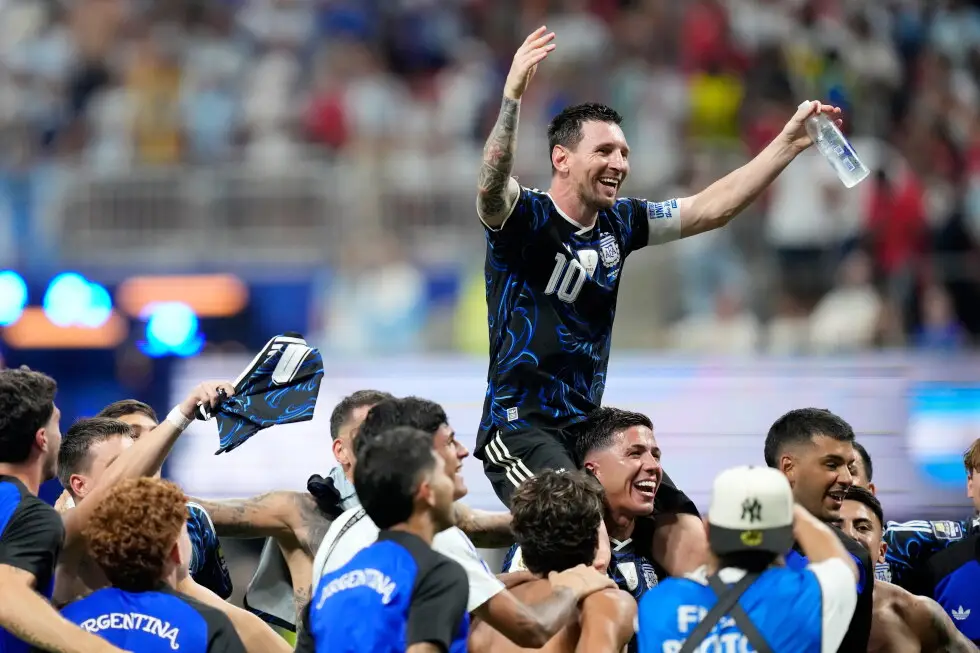









BUENOS AIRES, Argentina – The roar of anticipation that had gripped Argentina for weeks, a fervent hope for back-to-back World Cup titles, turned into a collective sigh of heartbreak on Sunday. Spain, through a decisive extra-time goal from substitute Ferran Torres, defeated the defending champions 1-0 in a tense final, dashing the Albiceleste's aspirations and plunging a nation into profound disappointment.
The 106th-minute strike by Torres was a dagger to the heart of millions across Argentina and indeed, much of Latin America. For a nation where football is not merely a sport but an intrinsic part of its cultural fabric and national identity, the defeat resonated far beyond the pitch. From the bustling streets of Buenos Aires to the remote corners of Patagonia, the silence that followed the final whistle was deafening, a stark contrast to the cacophony of cheers that typically accompanies such moments.
The Weight of Expectation
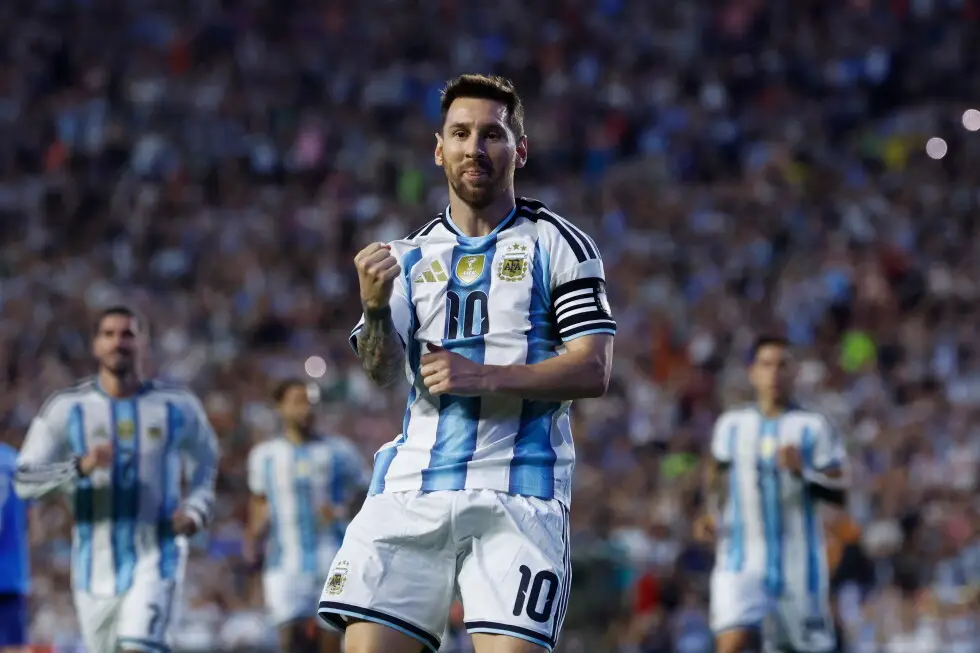
Argentina entered the final as reigning champions, carrying the immense weight of expectation from a populace that views football success as a balm for myriad social and economic challenges. The journey to the final had been fraught with dramatic highs and nail-biting finishes, each victory fueling a renewed sense of national pride and unity. The team, spearheaded by its iconic captain, had become a symbol of resilience and collective aspiration, a mirror reflecting the dreams of a nation accustomed to both grand triumphs and profound struggles.
The match itself was a testament to the high stakes involved. Both teams displayed a cautious intensity, aware that a single mistake could be decisive. Argentina's characteristic flair and attacking prowess were often stifled by Spain's disciplined possession game and tactical astuteness. The deadlock persisted through 90 minutes, pushing the game into extra time, a period often described as a crucible for nerves and endurance. It was here, in the dying moments of the first half of extra time, that Spain found their breakthrough, exploiting a momentary lapse in Argentina's otherwise resolute defense.
Ferran Torres, who had come on as a substitute, seized the moment with clinical precision, sending a shot past Argentina's goalkeeper that left fans stunned and silent. The goal was a cruel blow, not just for its timing but for the way it dismantled the narrative of a heroic defense of the title. For the remaining minutes, Argentina pushed desperately for an equalizer, their efforts increasingly frantic, but Spain's defense held firm, securing their historic victory.
A Nation in Mourning, a Region in Reflection
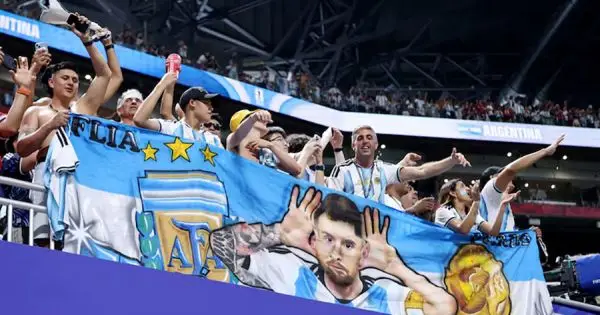
The immediate aftermath saw scenes of profound sadness across Argentina. Fans who had gathered in public squares, homes, and bars, clad in blue and white, stared blankly at screens, tears streaming down faces. Children, who had only known their country as World Cup champions, struggled to comprehend the sudden shift from euphoria to despair. Flags that had flown proudly were lowered, and chants of 'Dale Campeón' (Go Champion) were replaced by a somber quiet.
For many Argentines, football is a powerful escape, a source of collective joy that transcends political divisions and economic woes. A World Cup victory is a national holiday, a moment of unparalleled unity. A defeat, especially in the final, is a collective wound. Economists often debate the 'feel-good factor' of sporting success, and while a direct economic impact of a loss is hard to quantify, the psychological blow can be significant, influencing national mood and consumer confidence, albeit subtly.
Beyond Argentina, the outcome resonated throughout Latin America. For many countries in the region, Argentina's success is often viewed with a sense of shared pride, especially when pitted against European giants. The Albiceleste’s triumphs are celebrated as victories for South American football, a testament to the continent's unique style and passion for the game. Brazil, Argentina's fiercest rival on the pitch, often finds itself in a complex position, torn between rivalry and continental solidarity. Even in defeat, Argentina's journey to the final underscored Latin America's enduring dominance and emotional investment in the sport.
Looking Ahead
As the initial shock subsides, the focus will inevitably shift to the future. The Argentine squad, a blend of seasoned veterans and emerging talent, will face a period of reflection and rebuilding. The legacy of this team, though ending in defeat, will still be marked by their valiant effort to defend their title against formidable opposition.
The World Cup final's outcome serves as a stark reminder of football's unpredictable nature and its unparalleled capacity to evoke extreme emotions. For Argentina, the dream of a repeat triumph has been postponed, but the passion for the beautiful game, deeply embedded in the national psyche, remains undimmed. The nation will mourn, but it will also look forward, knowing that in four years, the opportunity to chase that elusive third star will once again present itself, rekindling the hope and fervor that defines Argentine football.