








FIFA Bans Falklands Imagery Ahead of High-Stakes Argentina-England Semifinal
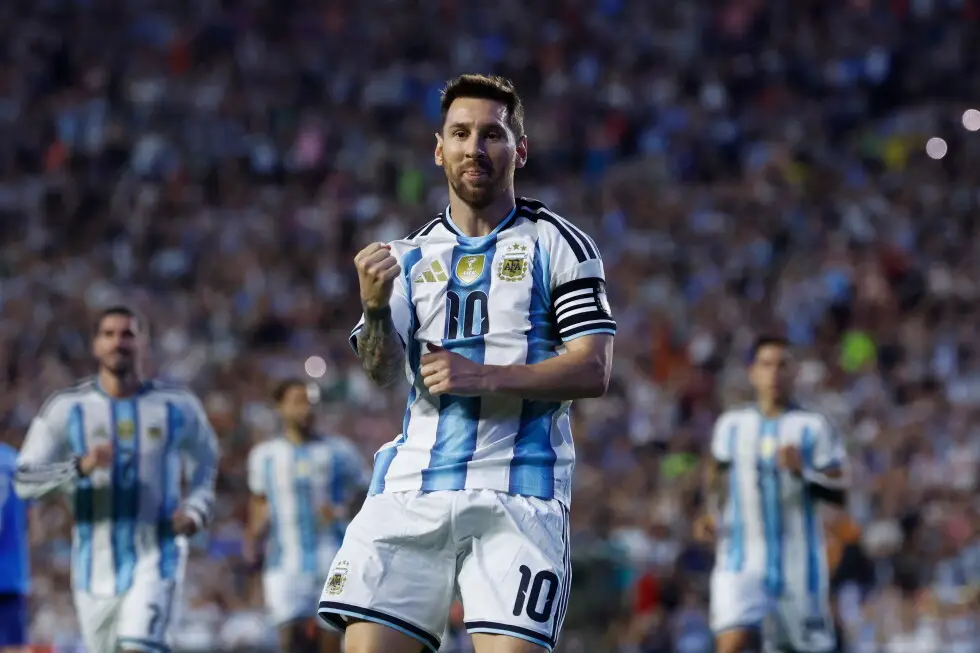
DALLAS, USA — In a move underscoring the enduring political sensitivities surrounding one of international football's most charged rivalries, FIFA, in coordination with US security authorities, has banned any imagery referring to the Falkland Islands from the stadium set to host the 2026 World Cup semifinal between Argentina and England. The Wednesday match, already classified as high-risk due to its historical connotations, now carries an additional layer of geopolitical tension.
The directive aims to prevent political displays in a contest that frequently transcends sport, particularly for Argentina. For many Argentines, the islands are known as the Malvinas, a name inextricably linked to a sovereignty dispute with the United Kingdom that culminated in a brief but bloody war in 1982. The wound of that conflict, and the constitutional claim to the islands, remains a potent force in Argentine national identity, often finding expression in the fervent support for its national football team.
Historical Echoes: Malvinas and National Identity
The 1982 Falklands War, fought over the British-administered islands in the South Atlantic, lasted 74 days and resulted in the deaths of over 900 people, including 649 Argentines. Despite Argentina's defeat, the claim to the Malvinas remains enshrined in the nation's constitution and is a bipartisan issue across the political spectrum. Generations of Argentines have grown up with the mantra of 'Las Malvinas son Argentinas,' making any perceived slight or opportunity to assert this claim a powerful moment of national unity and defiance.
Football, the most popular sport in Argentina, often serves as a powerful conduit for these national sentiments. Matches against England, especially on the global stage of the World Cup, are never just about the game itself. They are often imbued with symbolic weight, seen by many as a chance for redemption or a continuation of the 'Malvinas cause' on a different battlefield. Diego Maradona's infamous 'Hand of God' goal and his subsequent dazzling solo effort against England in the 1986 World Cup quarter-final, just four years after the war, became legendary not just for their sporting brilliance but for their perceived symbolic victory over the adversary.
FIFA's Stance on Political Expression
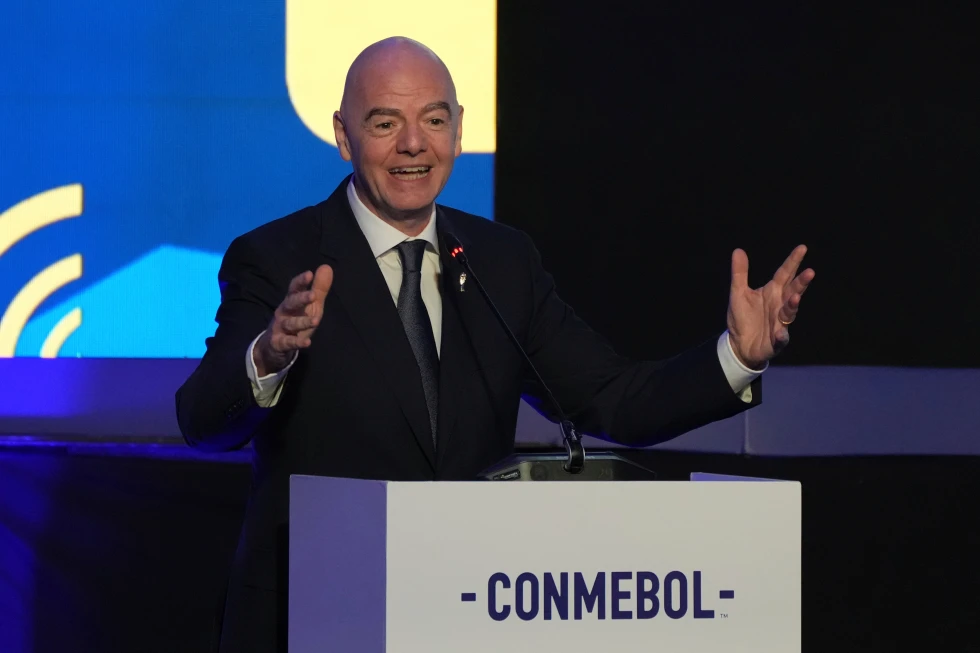
FIFA's regulations explicitly prohibit political, religious, or personal messages on team kits, stadium banners, and fan displays. The global football governing body consistently attempts to maintain a neutral stance, arguing that sporting events should be free from political interference and serve as unifying rather than divisive platforms. However, enforcing this neutrality in a highly charged fixture like Argentina versus England, where the political undertones are deeply ingrained in the historical narrative, presents a significant challenge.
The involvement of US security authorities in enforcing the ban highlights the host nation's responsibility in managing crowd control and maintaining order, especially for a match designated as 'high-risk.' The decision likely stems from concerns that any display of Falklands/Malvinas imagery could provoke clashes between fan groups or lead to wider diplomatic tensions, diverting attention from the sporting spectacle itself.
The Intersection of Sport and Politics in Latin America
For Latin American nations, the intertwining of sport and politics is a common phenomenon. Football, in particular, often reflects societal struggles, national aspirations, and historical grievances. From protests against authoritarian regimes to celebrations of cultural identity, the pitch frequently becomes a stage for expressions far beyond the game itself. In Argentina, the Malvinas issue is perhaps the most prominent example of this deep connection.
The ban, while aimed at depoliticizing the stadium environment, may ironically draw more attention to the issue. Argentine fans and media are likely to interpret the prohibition through the lens of their national narrative, potentially seeing it as an attempt to silence their legitimate claim or erase a painful chapter of their history. This could lead to alternative forms of protest or heightened emotional intensity among supporters, both inside and outside the venue.
Looking Ahead: A Match Beyond Football
As the semifinal approaches, the focus will inevitably shift between the tactical battles on the field and the underlying historical tensions. Coaches and players from both sides will undoubtedly face questions about the ban and the political context, requiring careful navigation to avoid inflaming passions further.
For Latam Chronicle readers, the situation serves as a poignant reminder of how deeply historical and political issues continue to shape contemporary events in Latin America, even on the global stage of sport. While FIFA strives for neutrality, the echoes of the Malvinas War will undoubtedly resonate through the stadium, whether visible or not, as Argentina and England prepare for a match that is, for many, far more than just a game.