









Markets Shift Focus in 2026 After a Strong 2025 Rally
Financial markets ended 2025 on a high. Stocks, bonds, and a host of key commodities all posted gains, even if the increases varied from one area to another and across different industries. But as 2026 dawns, the focus has changed. Investors are no longer focused on how much markets climbed last year but on whether those gains can actually hold.
That question is especially important for Latin America. Many of the region's economies are deeply interconnected with global financial trends. Everything from commodity prices and export demand to currency stability and access to international funding is affected. Financial activities often have a direct impact on the everyday economic life of a community.
For much of 2025, stock markets climbed steadily. Strong corporate earnings were the engine driving the market's ascent, with tech and innovation-driven firms leading the charge. Investor sentiment in emerging markets was improving. Several Latin American exchanges saw a resurgence of foreign interest, especially as rising commodity prices boosted the prospects for economies rich in resources.
Bond markets also had a fairly good year, although performance wasn't uniform. Inflation continued to cool from the sharp spikes seen earlier in the decade, and investors began to believe that major central banks were nearing the end of their aggressive interest-rate hikes. Meanwhile, commodities—an essential part of many Latin American economies—generally rose during the year, although energy, agriculture, and industrial metals followed different paths depending on global demand.
Investors Start Looking More Carefully at the Economy
Markets in 2025 were driven not only by optimism but also by shifting economic signals. In the United States, inflation remained well below its 2022 peak, even though monthly data sometimes painted a mixed picture. At the same time, the labor market stayed relatively strong.
Those developments mattered far beyond the U.S. Lower inflation and a slower pace of interest-rate increases helped stabilize capital flows to emerging markets, including many countries in Latin America.
Across the region, policymakers faced their own difficult balancing act. Several Latin American central banks had already raised interest rates earlier and more aggressively than their counterparts in developed economies. Those moves helped contain inflation in countries such as Brazil, Mexico, and Chile. Now the discussion has shifted to when interest rates might begin to fall—and how quickly—without risking another surge in prices.
After such a strong year in financial markets, investors are also starting to pay closer attention to valuations. The central question is whether assets are currently overvalued, considering the earnings and economic expansion that support them. Some sectors of the U.S. stock market entered 2026 with valuations that seemed elevated when viewed through the lens of past performance. This suggests a slim margin for error should growth slow down.
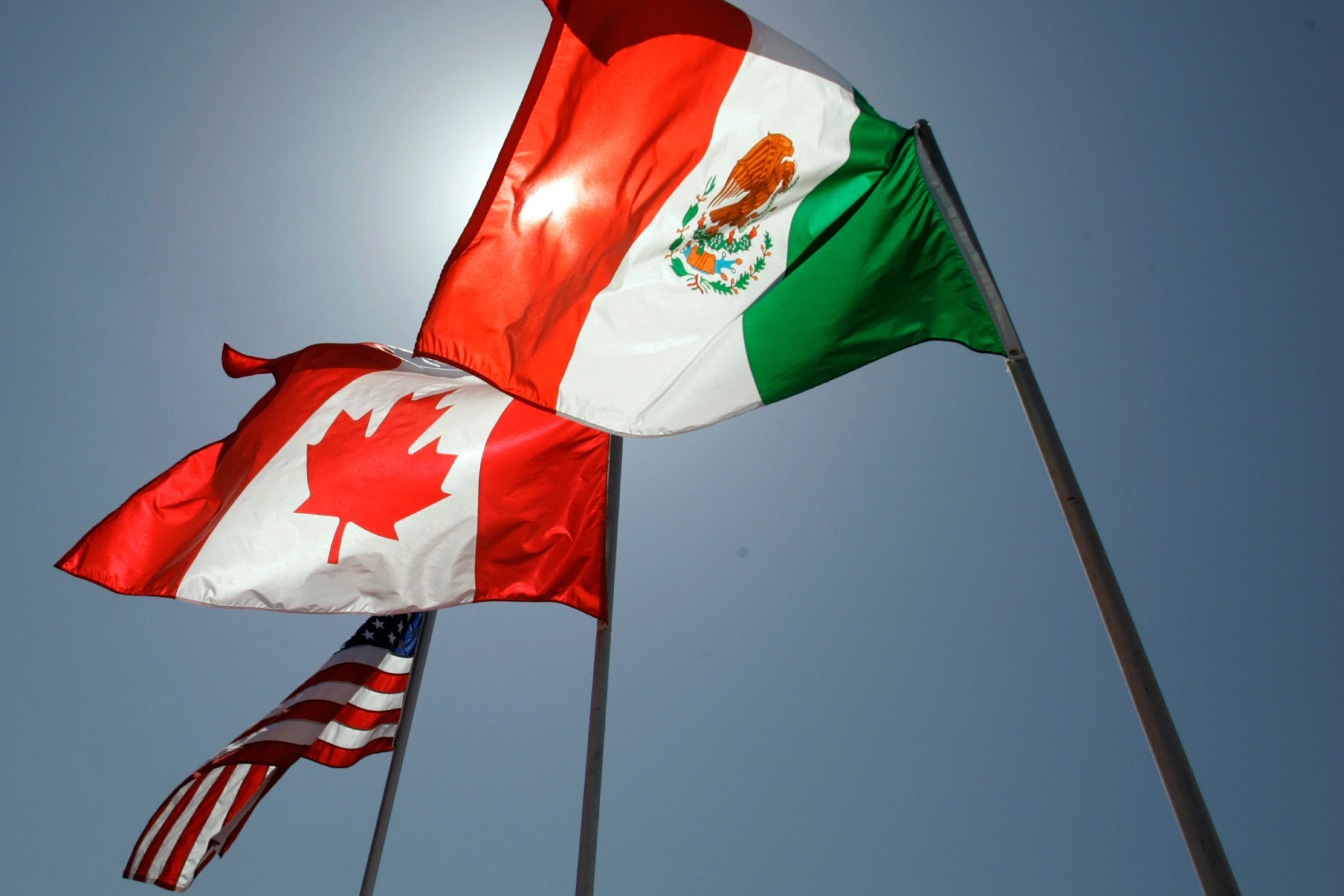
Latin America's economic well-being often depends on global markets. Nations that export commodities are especially vulnerable, their economies closely tied to China's industrial output and the vast infrastructure projects it funds globally. Conversely, manufacturing centers within the region are seeing gains. They're capitalizing on the reconfiguration of supply chains and the nearshoring movement, both of which are closely connected to North America.
Interest Rates, Currencies, and Potential Market Risks
Interest rates are poised to be a major focus for markets in 2026. The U.S. Federal Reserve is proceeding cautiously, consistently stressing that its forthcoming actions will be guided by the latest economic indicators.
These signals are very important for the economic systems of Latin America. Changes in interest rates in the United States have a wide-ranging impact on the economy. Specifically, these changes affect the value of the dollar, the cost of borrowing, and the flow of investment capital around the world. Even small changes in global interest rates can quickly spread, which then affects exchange rates.
As a result, the Mexican peso and the Brazilian real are affected. These changes then spread outward, impacting areas beyond those directly involved in finance. Moreover, these factors can affect inflation, the cost of imported goods, and the financial situations of government organizations. Market expansions also have the potential to influence how investors behave. Following a year of substantial gains, some investors might opt to secure profits or adjust their portfolios. Some may choose to maintain or even increase their risk, betting on the upward trend to persist. Historically, times of strong market growth often lead to more selective investment strategies, which then cause significant differences in performance across different sectors and countries.
Several potential pitfalls await. Inflation continues to be a significant concern. Should worldwide price pressures resurface, central banks might have to maintain elevated interest rates for an extended period. A deceleration in economic growth among the world's largest economies could reduce demand for exports, impacting a broad spectrum of commodities, from copper and oil to agricultural products. Furthermore, political shifts occurring in the Americas and elsewhere could introduce additional complexities. Governments are currently grappling with budgetary decisions, crafting tax policies, and navigating the complexities of transitioning to cleaner energy sources.
What It Means for Households Across Latin America
Financial markets might feel far removed from the daily lives of many Latin American families, yet their impact is frequently felt in less direct ways. Global economic shifts can ripple through pension funds, savings accounts, and the job market, particularly in sectors tied to exports.
Retirement accounts and national investment funds typically thrive in a bull market. However, the situation shifts dramatically when market conditions become unstable.
The cost of borrowing is a significant factor for both individuals and companies. Mortgages, personal loans, and the financing of small businesses still carry a heftier price tag than they did for much of the last ten years, despite some nations tentatively lowering interest rates.
Changes in currency values can also affect daily life. Changes in exchange rates affect the cost of imports, such as fuel and food. This, in turn, impacts how much households can buy.
The robust market performance of 2025 has paved the way for a more guarded and unpredictable 2026. Investors are shifting gears, leaving behind a period of unrestrained optimism. Now, they're carefully weighing high asset prices against changing forecasts for interest rates and ongoing global political strife.
Latin America's future looks cautiously promising. Latin America's prospects appear cautiously optimistic. While opportunities for expansion and investment persist, the region's path forward hinges on several critical factors. The course of inflation, the decisions made by central banks, and the strength of global demand for commodities and regional exports in the near term will all be decisive.



Leave a Comment
Your email address will not be published. Required fields are marked *
Latamchronicle
Live, Breaking News Theme