








Latin America's Important Role in the World Economy
Latin America is in a good place in a divided global economy as 2026 begins. International capital is deciding how to use its money based on worries about geopolitical competitiveness, energy and food security, and supply reconfiguration. Latin America (LATAM) has become more important in this way, not as a single market, but as a region with unique potential that fits with long-term global aspirations.
A recent Financial Times Q&A on the problems that Venezuela will face after Nicolás Maduro's presidency says that the region is becoming more important because it doesn't have any interstate conflicts, has a lot of natural resources and can grow a lot of food, and is in a strategic location between two competing global powers. But the same report also said that political stability, strong institutions, and consistent regional strategy, not resource endowment, will determine how well it does in the long run.
In 2026, global companies, institutional investors, and strategic buyers will put positioning ahead of growth. The main challenge is not whether to connect with Latin America, but how to do it right while taking into consideration the differences in politics, the complexity of the rules, and the unique dynamics of each industry.
Strategic Drivers: Energy, Food Security, and Supply Chains
Latin America's investment argument for 2026 is different because it is strategically important. The Organisation for Economic Cooperation and Development (OECD) and the World Bank say that resilience, security, and diversification are becoming more important than cost-effectiveness as drivers of global capital.
There are three things that are making the region transform. First, energy and natural resource security, since even while the world is moving away from fossil fuels and there is still a lot of uncertainty in the world, the demand for hydrocarbons, power, and other important inputs is still strong. Even though the world is moving toward cleaner energy sources, oil, gas, and a steady supply of power will still be very important to the world's energy systems in 2026. At the same time, governments and businesses are putting access to important resources like metals and infrastructure at the top of their lists in order to make themselves less vulnerable to supply disruptions.
Second, food security, with a new focus on a stable supply of food and getting it from a variety of sources. Recent problems with global trade and climate-related shocks have made it even more important to make sure that food supply chains are reliable. Third, supply and diversification reconfiguration, because global events have shown how fragile highly concentrated and "just-in-time" manufacturing processes are. Companies are choosing more diverse supply chains more and more, even if it means giving up some efficiency.
Countries with a lot of power fight for control in Latin America.
In 2026, the world's biggest economic groups will have to think more about Latin America when making decisions about geopolitics. At the same time, relations with the US, China, and Europe are all shifting. Each country has its own goals, but they all see the region as a key provider of products.
Latin America is an important partner for the US in making sure that the supply chain is strong, energy is secure, and politics are stable. US companies are trying to rely less on supply chains in Asia by moving their operations closer to home. This has increased economic relations, especially with Mexico and Central America. Energy integration, infrastructure investment, and policy concerns like migration, drug trafficking, and security all have an effect on the relationship between the US and Latin America.
China is still a major business and investment partner in the area. It is focused on long-term access to commodities, energy, and agricultural products, as well as building infrastructure. At the same time, ties between Europe and Latin America have become important again, especially now that the EU-Mercosur Partnership Agreement is back on the table for strategic discussion. European investors see big chances in the agroindustry, energy infrastructure, and important minerals that are essential for industrial competitiveness and attempts to become green.
Key Sectors and Investment Trends in 2026
In 2026, investments in Latin America will be more selective than huge. The United Nations Conference on Trade and Development (UNCTAD) says that foreign direct investment in the region has not been steady, which is a sign of uncertainty around the world. But more and more, investment capital is going to sectors with structural demand and a long-term future.
Energy is a big part of investing. Brazil, Mexico, Colombia, Argentina, and maybe even Venezuela still need to make oil, gas, and electricity to export. As energy use and electrification rates rise, so do investments in building new power plants, fixing up the grid, and improving transmission infrastructure.
Mining is still quite crucial for strategy. The International Energy Agency says that Latin America is very important for the world's supply of copper, lithium, and other important minerals. Mining companies do well when the prices of gold and silver go up. As worries about food security throughout the world grow, the agroindustry is getting more attention. Brazil, Argentina, Peru, Colombia, and areas of Central America are still getting money for farming, processing, and logistics. Logistics infrastructure, industrial services, digital platforms, and financial technology are among other key enterprises.
Regional Differences and Macroeconomic Conditions
Latin America's macroeconomic situation is stable, yet it varies from country to country. The International Monetary Fund, the World Bank, and the United Nations Economic Commission for Latin America and the Caribbean all think that regional GDP will expand by 2.2 to 2.3 percent in 2026. After tightening monetary policy, inflation rates in most nations have calmed down, and policy frameworks have grown more stable.
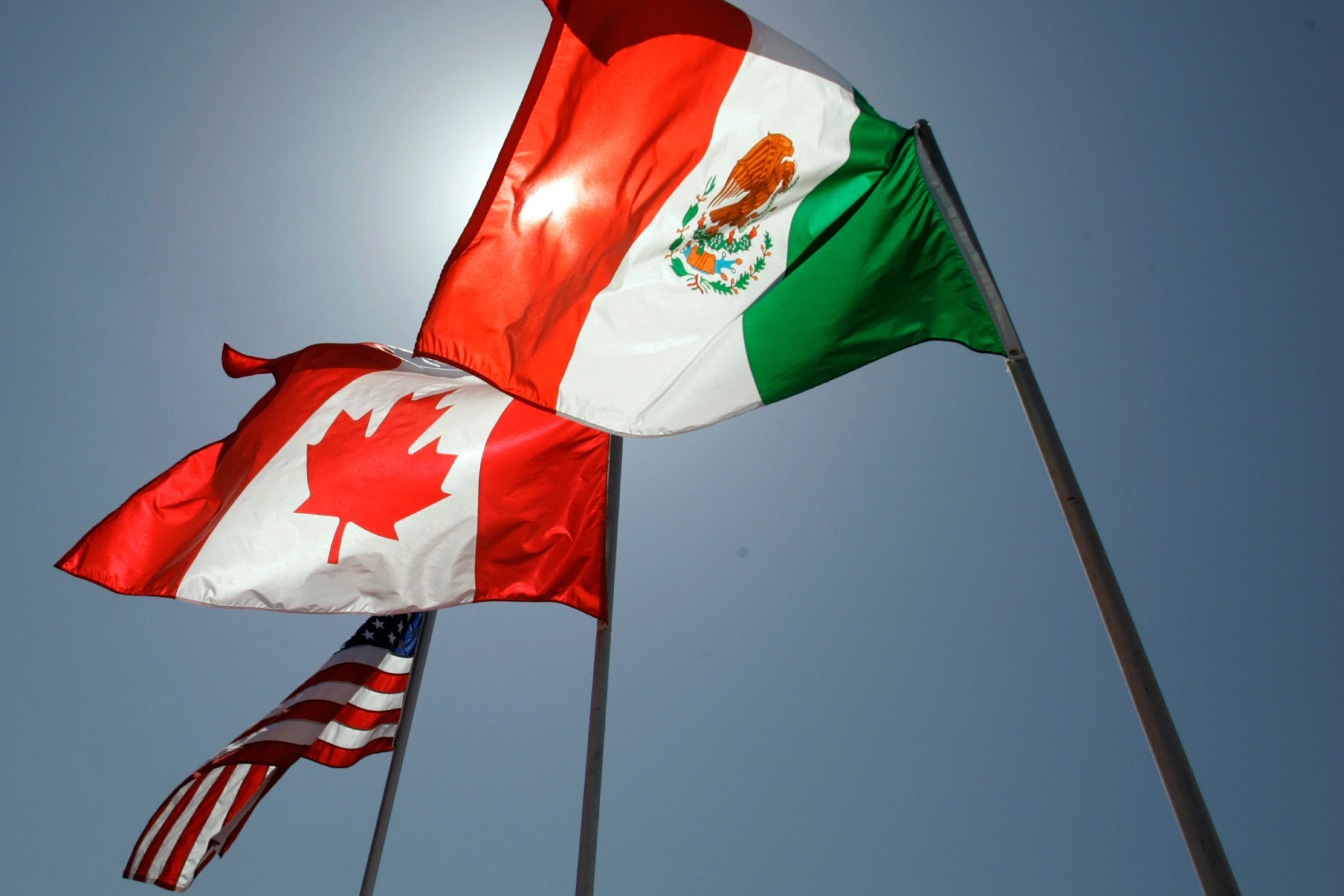
But the level of economic success varies a lot from one part of the region to another. Mexico gains from integrating its industry with that of the United States and changing its supply chain, but it is doubtful that the USMCA pact will be renegotiated. Brazil has a big agricultural export sector, but it also has a vast domestic market and a diverse economy. Chile and Peru are still major parts of global mining supply chains, even though there has been political unrest in those countries. Colombia's macroeconomic stability has stayed the same, even if there are still policy variances and geographical characteristics that affect how people feel about the market. The economy of Argentina is still getting back on its feet, but there are some new chances in the energy and mining sectors. Trade integration and nearshoring are speeding up Central America's growth, while tourism and logistics are helping the Caribbean get back on its feet.
Handling risk and planning strategically in 2026
Latin America will still need to handle risks carefully in 2026. The World Bank's assessments look at things like regulatory uncertainty, external shocks, and financial situations that aren't always clear. The OECD reports also show how political cycles and changes in policy affect investment decisions in different regions.
Political cycles, weak institutions, and worries about safety still affect investment decisions in some nations. The Financial Times research says that the region offers a lot of strategic advantages, but that the lack of stable, pro-growth government in some countries is still a barrier to capital inflows.
In response, investors are using phased investment approaches, early regulatory assessments, and strong local partnerships more and more. Execution skills and knowledge of the area are much more crucial than just macroeconomic forecasts.
Latin America won't see 2026 as a year of tremendous growth, but as an area that is very important to the economy as a whole. It is a significant partner for major global economies and international investors because it is important in energy markets, resource supply, food security, and supply chains. For businesses and investors, 2026 is not a year of quick expansion but rather a year of strategic positioning. To be successful, they need to grasp the dynamics of each country and the prospects in each industry.



Leave a Comment
Your email address will not be published. Required fields are marked *
Latamchronicle
Live, Breaking News Theme