








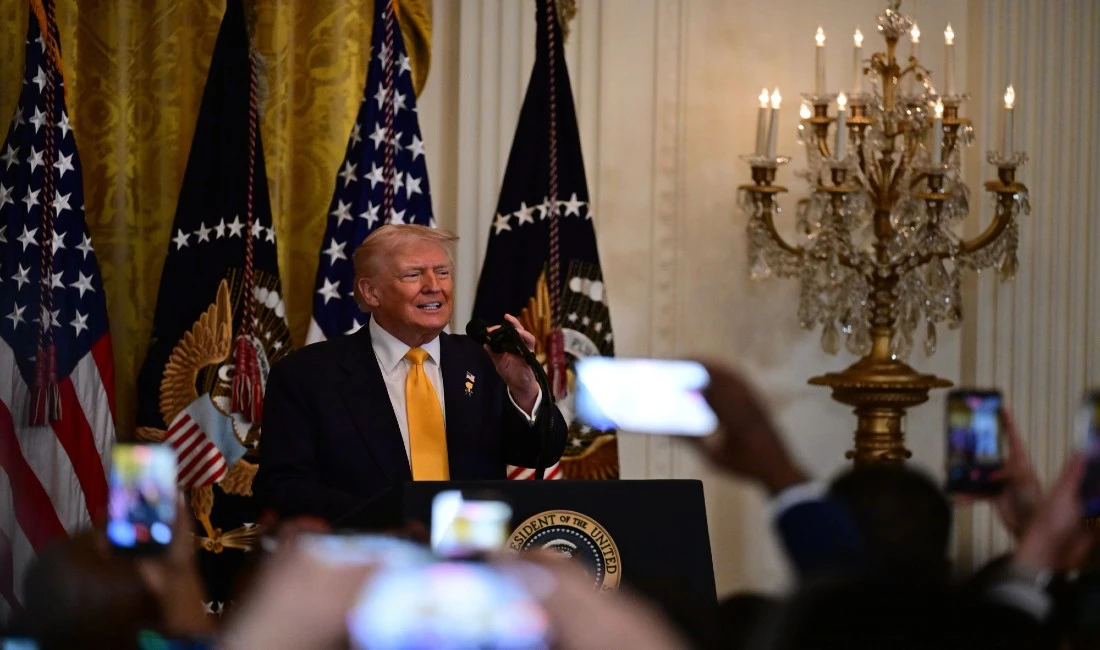
US President Donald Trump's administration is disturbing conventional equilibrium in the Americas. It has exacerbated trade tensions with Canada and stated its goal to play a far more assertive role in Latin America, as outlined in the November 2025 US National Security Strategy document and proven by the country's recent intervention in Venezuela. In light of this, issues arise concerning the Americas' prospects in a complicated and fast-changing global framework, as well as the region's role in the global economy. Over the last three decades, the global economy has experienced a significant rebalancing. Because economic strength strongly correlates with geopolitical power, this revolution has influenced the restructuring of the global order. Throughout this time of upheaval, the Western Hemisphere has shown remarkable resilience. The fast ascent of Emerging Asia, fueled in large part by China's growth, has been the most significant global economic narrative.
In 1990, China accounted for only 2% of the global economy in nominal US dollars, while Emerging Asia accounted for only 5%. By 2025, China's proportion of global GDP had climbed to 17%, putting it on pace with the European Union. Emerging Asia as a whole achieved 24 percent, reaching the economic weight of the United States. Throughout this change, the Americas held their position. In 1990, the United States, Canada, Latin America, and the Caribbean collectively accounted for 34% of the world economy, and by 2025, that figure had remained steady. The United States remained stable at 26%, Canada fell slightly to 2%, while Latin America and the Caribbean climbed to 6%.
The Role of the United States and Latin America’s Economic Challenges
The economic future of the Americas depends on several key factors, with the United States, the region's main economic power, playing a crucial role. Despite the difficulties of 2025, the US economy showed considerable resilience. It managed to grow despite uncertainties surrounding trade policy, stricter immigration rules that limited the expansion of the labor force, a lengthy government shutdown, and political pressures that threatened the Federal Reserve's autonomy. Economic growth remained strong, with GDP forecast to rise between 2.5 and 3 percent in 2026. The surge in artificial intelligence investment has been a significant driver.
Productivity growth picked up steam, averaging 2.5 percent annually from the third quarter of 2023 to the third quarter of 2025. That's a jump from the 1.4 percent seen in the preceding decade. This uptick suggests that previous technological breakthroughs might finally be influencing the broader economy. Still, concerns linger regarding the sustainability of the budget. The United States' debt-to-GDP ratio has climbed since before the Global Financial Crisis, and net interest payments on government debt now surpass military expenditures.
Over the past four years, fiscal deficits have hovered around 6% of GDP, and projections indicate they'll stay at or above that threshold in the coming years. Government borrowing on a massive scale pushes interest rates higher, which in turn increases the financial burden on both businesses and everyday people. If fiscal policy doesn't tighten up, future adjustments could mean tax increases, ultimately siphoning off funds that could otherwise fuel private sector growth. Progress in Latin America has been slow. Back in 1990, the region's average real incomes were 28% of those in the United States. By 2025, that figure had fallen to 25%.
The root of the problem is weak productivity growth, a result of structural inflexibilities, regulatory red tape, limited access to financing, and competitive obstacles that prevent resources from being allocated to the most productive companies.
Trade, Global Supply Chains, and the Region’s Future
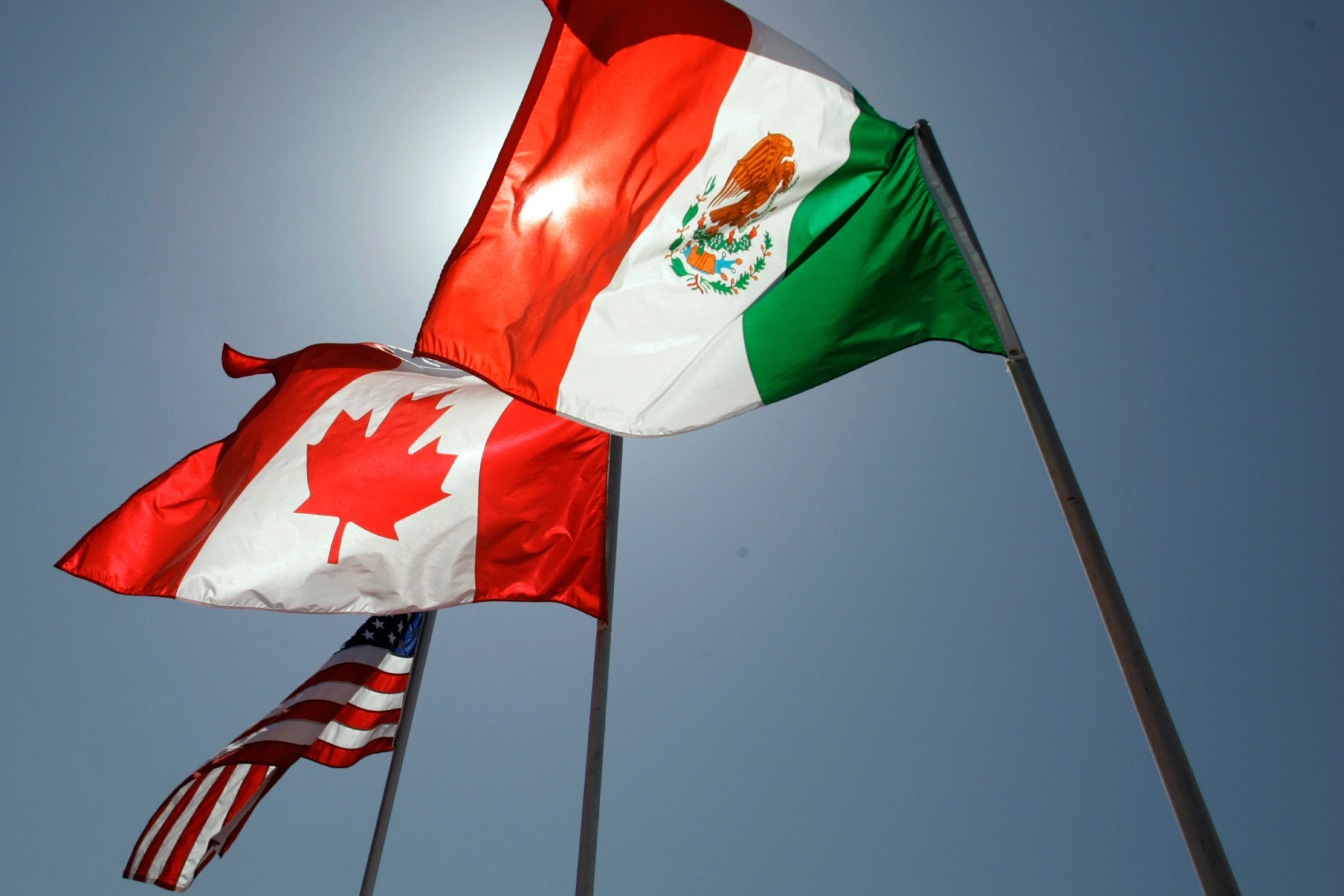
A third key factor shaping the Americas' future in the global economy is the stance Canada and Latin America take in global trade and supply chains, especially given the escalating tensions between the US and China. Mexico and Canada continue to be the United States' largest trading partners, and the US is still the main trading partner for much of Latin America. Simultaneously, China's economic presence in the region has expanded significantly.
China has already established itself as South America's leading commercial partner, pouring investments into vital infrastructure projects like the megaport in Chancay, Peru. It is also looking for increased access to the region's natural resources. The United States' November 2025 National Security Strategy included what some call a "Trump corollary to the Monroe Doctrine," indicating a commitment to protect US interests in the Western Hemisphere. Some observers see this approach as an attempt to create regional spheres of influence.
However, the interconnectedness of the global economy makes it difficult to create distinct economic groups. While it's important to carefully manage relations with China, considering its geopolitical goals, there are also potential benefits to economic cooperation. Canada's recent move to deepen its commercial ties with China seems to be a response to the strain in US relations, as well as a recognition of China's long-term economic prospects. Latin American nations are facing similar crossroads. Some are likely to feel the weight of US pressure to limit Chinese investment, especially in strategic sectors. Others, meanwhile, are aiming to strengthen their economic ties with Asia and Europe. Latin America could bolster its economic standing by fostering private sector growth, becoming more integrated into global supply chains, and increasing intra-regional trade.
The region, abundant in natural resources and geographically close to the US, might experience accelerated growth with the implementation of effective policies and greater regional collaboration.



Leave a Comment
Your email address will not be published. Required fields are marked *
Latamchronicle
Live, Breaking News Theme