







Bogotá, Colombia – Less than two months apart, two powerful earthquakes originating near the town of El Calvario in Colombia have not only rattled residents but also served as a stark regional barometer, exposing profound differences in governmental capacity and societal resilience between neighboring Colombia and Venezuela. For many Venezuelans, observing Colombia's response has triggered a disquieting sense of 'déjà vu,' a reminder of their own nation's struggles to effectively manage natural disasters.
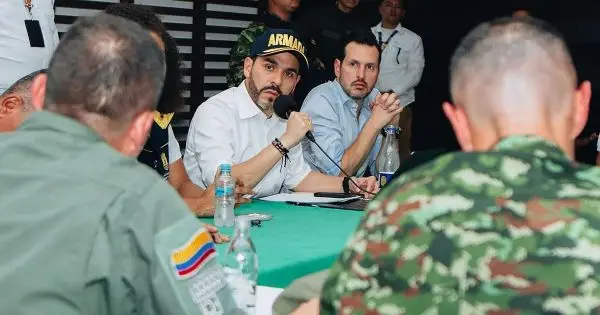
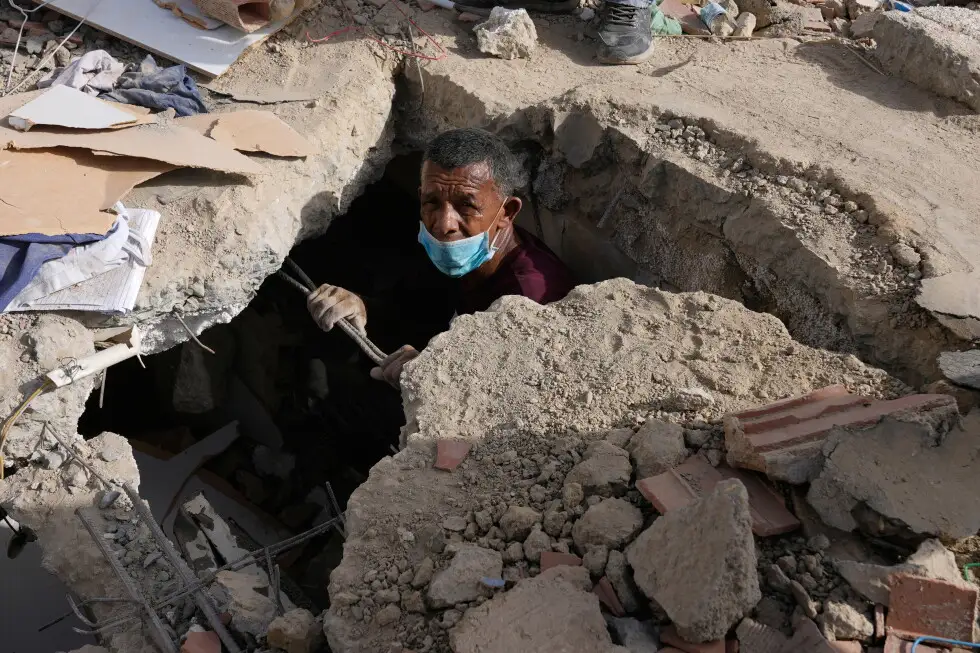
On August 17th, a 6.1 magnitude earthquake, followed by a 5.9 aftershock, struck central Colombia, prompting widespread tremors across the capital, Bogotá, and surrounding regions. The event, while causing panic and some structural damage, was met with a rapid and largely coordinated governmental response. Colombian authorities, including the National Unit for Disaster Risk Management (UNGRD), swiftly activated emergency protocols. Public messaging was clear and consistent, guiding citizens on safety measures and reporting damage. Emergency services were deployed promptly, and initial assessments of infrastructure were undertaken with visible efficiency.
This relative composure and organizational capability in the face of a significant seismic event stand in stark contrast to the perceived and often actual experiences of Venezuelans when natural disasters strike. Venezuela, also situated in an active seismic zone, has a history of devastating quakes, and the memory of past inadequate responses looms large. For many, the 'déjà vu' is not merely about the ground shaking, but about the systemic weaknesses that undermine effective relief efforts in their own country.
Colombia's Institutional Strength vs. Venezuela's Crisis-Aged Capacity
Colombia's approach to disaster management, while not without its challenges, has benefited from a more stable institutional framework and a greater capacity to mobilize resources. The country has invested in early warning systems, training for emergency personnel, and public awareness campaigns. Its democratic institutions, despite ongoing internal conflicts, generally allow for a more transparent and accountable distribution of aid and coordination across various levels of government and civil society organizations. This institutional resilience is crucial in minimizing human casualties and facilitating quicker recovery.
Conversely, Venezuela's capacity for disaster response has been severely eroded by years of deep socio-economic and political crisis. The nation grapples with hyperinflation, a mass exodus of skilled professionals, dilapidated public infrastructure, and a healthcare system on the brink of collapse. These systemic failures directly translate into a diminished ability to respond effectively to natural catastrophes.
When an earthquake or other disaster hits Venezuela, the challenges are multifaceted: emergency services often lack adequate equipment, trained personnel, and essential supplies. Communication infrastructure can be unreliable, hindering coordination. The politicization of aid, often seen in the past, can further complicate relief efforts, leading to distrust and inefficient distribution. Moreover, years of neglect mean that many buildings and public utilities are already vulnerable, increasing the risk of collapse and damage even from moderate seismic activity.
The Human Cost of Divergent Responses
The human toll of a natural disaster extends far beyond immediate casualties; it encompasses the long-term psychological impact, displacement, and the arduous path to recovery. In Colombia, a more robust and coordinated response means that affected communities receive aid faster, infrastructure repairs begin sooner, and psychological support is more readily available. This can mitigate the long-term suffering and help prevent a secondary humanitarian crisis.
For Venezuelans, the 'déjà vu' carries a heavier burden. It signifies not just the immediate danger of an earthquake but the profound insecurity that follows. The knowledge that governmental support might be slow, insufficient, or absent forces communities to rely heavily on their own limited resources or international aid, which itself can face bureaucratic hurdles. This lack of a reliable safety net exacerbates vulnerability, particularly for the poorest and most marginalized populations.
Economically, the disparities are equally stark. A country with strong disaster management can rebound more quickly, protecting its economic assets and ensuring business continuity. In a crisis-ridden nation like Venezuela, an earthquake can inflict devastating blows to an already fragile economy, destroying what little infrastructure remains and setting back any prospects for recovery by years.
Regional Lessons and Future Preparedness
The recent Colombian earthquakes and the subsequent regional comparison offer critical lessons for Latin America, a region highly susceptible to natural disasters, including earthquakes, hurricanes, and floods. The contrasting responses highlight the indispensable link between good governance, institutional strength, and effective disaster preparedness. A nation's ability to protect its citizens from natural hazards is a fundamental measure of its state capacity and its commitment to public welfare.
While Colombia continues to refine its disaster management strategies, the Venezuelan situation underscores the urgent need for international attention and support to rebuild its foundational capacities. Effective disaster response is not just about immediate rescue; it's about long-term resilience, robust infrastructure, transparent governance, and the trust between a government and its people. As seismic activity remains a constant threat across the Andes, the stark differences observed between these two neighbors serve as a powerful reminder of the profound impact of national governance on human security.