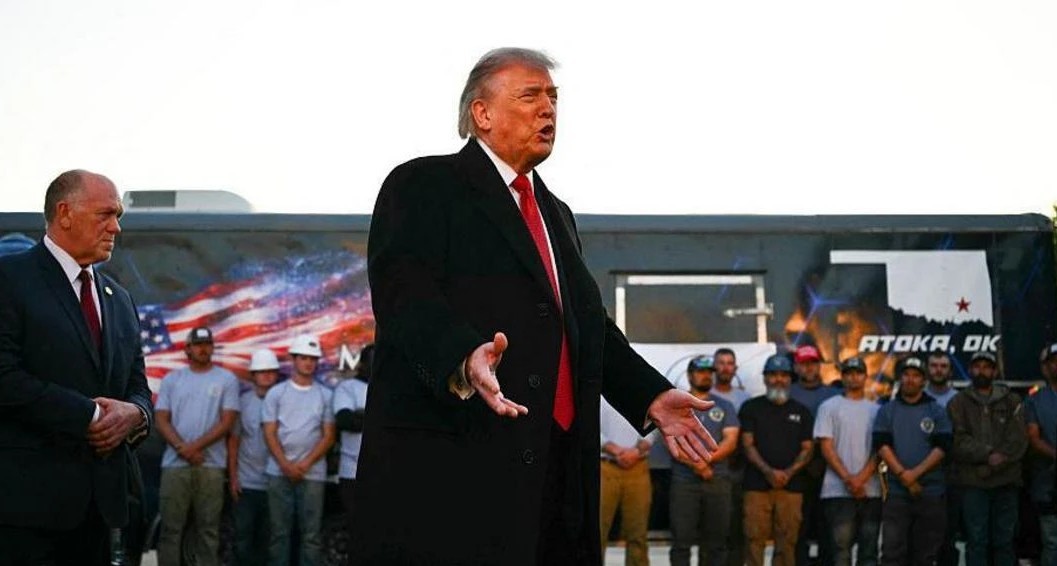








WASHINGTON D.C. — Former U.S. President Donald Trump’s recent acknowledgment of having called Israeli Prime Minister Benjamin Netanyahu “crazy” in a phone call, coupled with accusations that Israel complicated peace talks with Iran, offers a stark reminder of his unique and often abrasive diplomatic style. While these specific remarks target Middle Eastern geopolitics, the underlying approach – direct, confrontational, and often personal – was a hallmark of his administration’s foreign policy, with profound and lasting repercussions across Latin America.
During his four years in office, Trump’s “America First” doctrine translated into a highly transactional and often unpredictable engagement with the region. Much like his candid assessment of Netanyahu, Latin American leaders and nations frequently found themselves navigating a U.S. foreign policy characterized by blunt rhetoric, sudden policy shifts, and a willingness to challenge established diplomatic norms.
The Trumpian Blueprint: Directness and Disruption
The incident involving Netanyahu underscores a key feature of Trump’s diplomacy: a preference for unfiltered communication, often delivered without the traditional niceties of international relations. This approach, while lauded by some as authentic, often left allies and adversaries alike grappling with the implications of an American president who spoke his mind, expletives and all.
In Latin America, this blueprint manifested through various channels. From the very outset of his presidency, Trump’s rhetoric regarding Mexico, for instance, set a confrontational tone. His infamous characterization of Mexican immigrants as “rapists” and drug dealers, coupled with his unwavering demand for a border wall funded by Mexico, directly paralleled the kind of personal and often inflammatory language seen in the Netanyahu comment. This approach fundamentally reshaped bilateral relations, straining diplomatic ties and injecting uncertainty into economic partnerships like the renegotiation of NAFTA into the USMCA.
Impact on Allies and Adversaries
The Trump administration’s engagement with Latin America was not monolithic. While some nations, particularly those with right-leaning governments like Jair Bolsonaro’s Brazil, found ideological alignment with Washington, even these alliances were not immune to the characteristic Trumpian pressure. Bolsonaro, often dubbed the “Trump of the Tropics,” forged a close relationship with the U.S. president. Yet, even Brazil faced U.S. tariffs on steel and aluminum, demonstrating that transactional interests often superseded ideological camaraderie, echoing the sentiment that even close allies could be openly criticized if perceived as not serving U.S. interests.
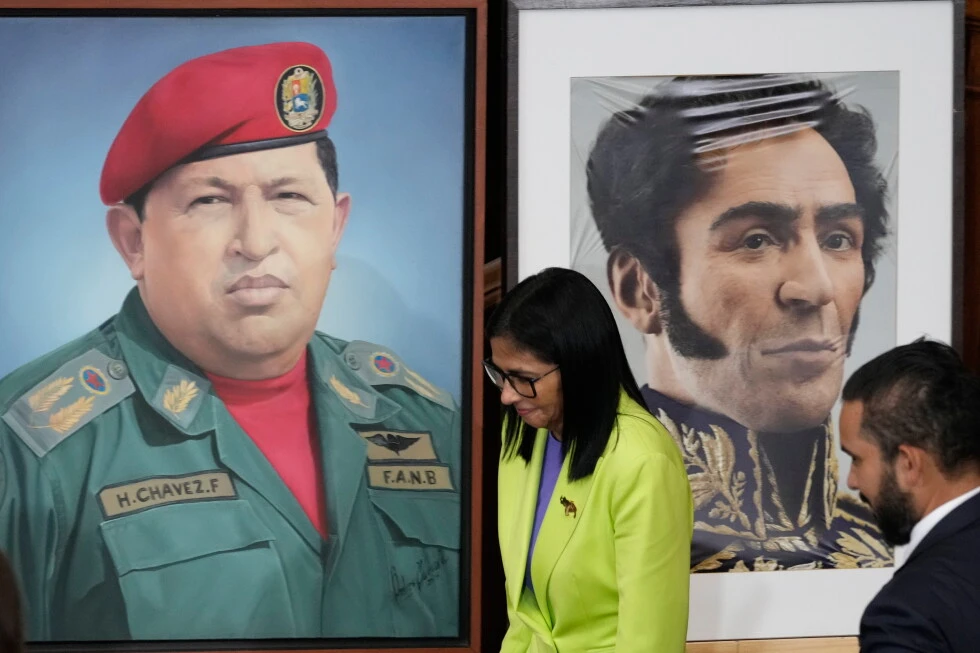
Conversely, Trump’s approach to adversaries in the region was equally, if not more, forceful. Venezuela, Cuba, and Nicaragua faced escalating sanctions and an intensified diplomatic offensive. The rhetoric surrounding leaders like Nicolás Maduro was consistently harsh, with the U.S. openly supporting opposition figures and intensifying economic pressure. While traditional U.S. foreign policy often involves sanctions, the Trump administration’s public denouncements and direct challenges to the legitimacy of these governments were delivered with a characteristic bluntness that mirrored the personal critiques leveled at other international figures.
Regional Stability and Diplomatic Norms
The implications of this diplomatic style for Latin America extended beyond bilateral relations. Trump’s skepticism towards multilateral institutions and his preference for unilateral action often complicated regional efforts at cooperation and stability. Organizations like the Organization of American States (OAS) found their influence challenged as the U.S. pursued its own agenda with less regard for consensus-building.
Furthermore, the unpredictability inherent in Trump’s approach often left Latin American nations in a precarious position. Policy decisions, whether on trade, migration, or security, could shift rapidly, demanding constant adaptation from regional governments. This created an environment where diplomatic norms were often tested, and leaders had to contend with a U.S. president who prioritized direct communication and perceived strength over traditional diplomatic protocols.
A Lasting Legacy
The Trump era in U.S.-Latin American relations, much like his broader foreign policy, was defined by disruption and a departure from conventional diplomacy. His willingness to openly criticize, even insult, world leaders, as seen in his remarks about Netanyahu, was not an isolated incident but a consistent thread throughout his presidency. For Latin America, this meant an era of heightened tension, unpredictable shifts, and a re-evaluation of the dynamics of U.S. leadership in the hemisphere.
As the region continues to navigate complex political and economic challenges, the legacy of Trump’s “crazy” diplomacy serves as a powerful reminder of how a leader’s personal style can fundamentally reshape international relations, leaving an indelible mark on alliances, adversaries, and the very fabric of global diplomacy.