







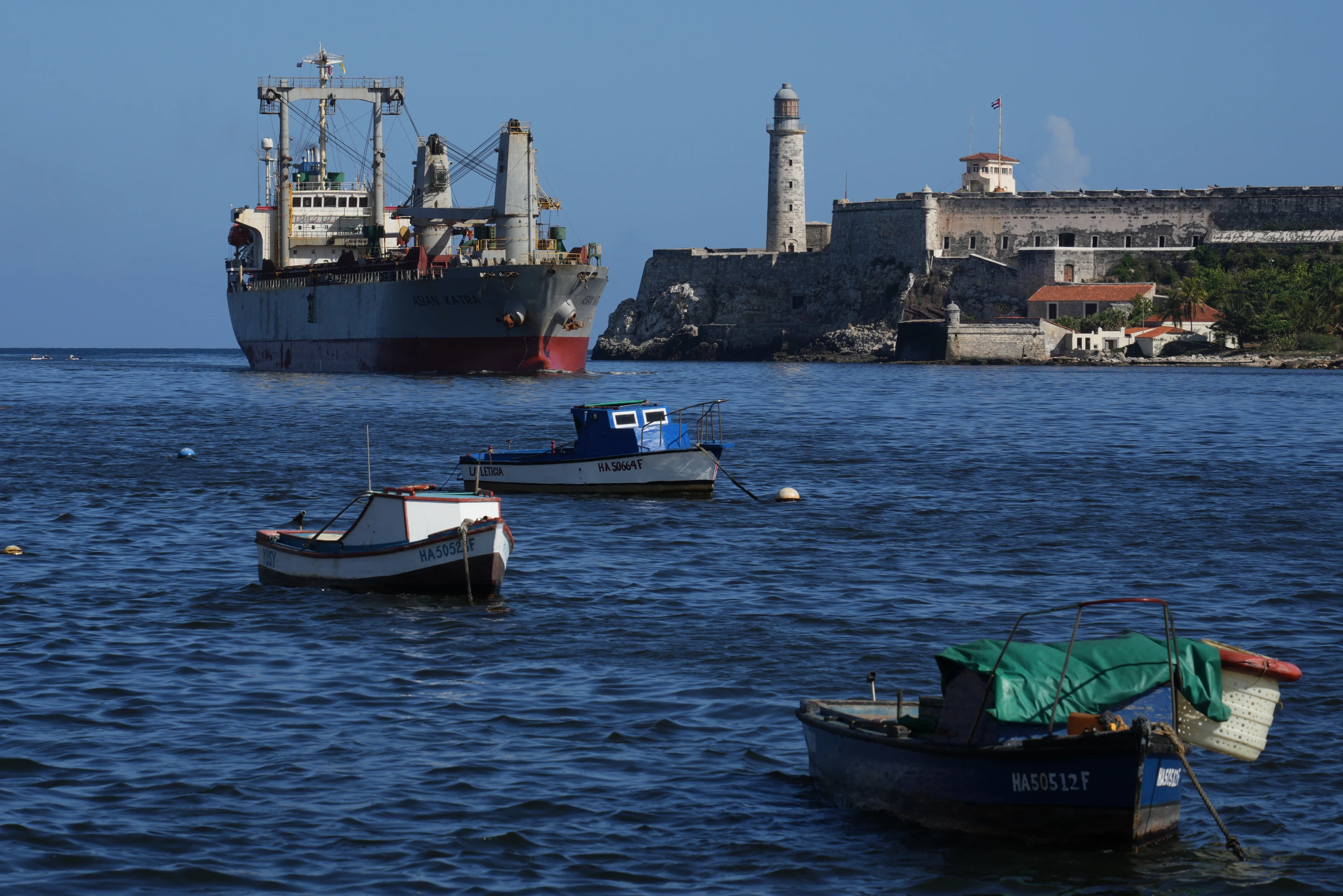
Havana: A humanitarian aid ship carrying supplies from Mexico and Uruguay arrived in Havana as Cuba continued struggling with severe shortages of food, fuel, electricity, and basic goods.
The cargo vessel transported approximately 1,700 tons of grains, powdered milk, hygiene products, and other essential supplies intended to help ease the island’s worsening humanitarian conditions.
Cuban officials said the shipment arrived during a period of “great economic hardship,” blaming the crisis partly on intensified U.S. sanctions and economic pressure.
Cuba’s food industry minister Alberto López Díaz stated that the aid would be distributed responsibly, especially to vulnerable groups including children and elderly citizens.
The ship departed from a Mexican port before docking in Havana Bay. Cuban state media highlighted the importance of international assistance as the country continues facing shortages of fuel, food imports, medicine, and electricity generation capacity.
The arrival of the aid shipment occurred while Cuba’s economy remained under extraordinary strain. Large sections of the country have experienced prolonged blackouts lasting many hours per day due to collapsing fuel supplies and failures within the national electrical grid.
Residents in Havana expressed cautious hope that the aid could provide some relief, though many Cubans said they remain uncertain whether ordinary citizens will directly benefit from the shipment.
Food scarcity, rising prices, and infrastructure failures have become daily realities across much of the island.
Unlike previous Mexican aid deliveries that drew considerable media attention, the latest shipment was reportedly delivered with far less fanfare, a sign of the growing political sensitivity around international support for Cuba amid increased tensions with Washington.
Now, more than a relief operation, the humanitarian mission has become a symbol of Cuba’s increasingly precarious economic and political situation amidst mounting international tensions.
US-Cuba Tensions Increase Under Trump’s Second Presidency
The aid shipment arrived during one of the most tense periods in U.S.-Cuba relations in recent years.
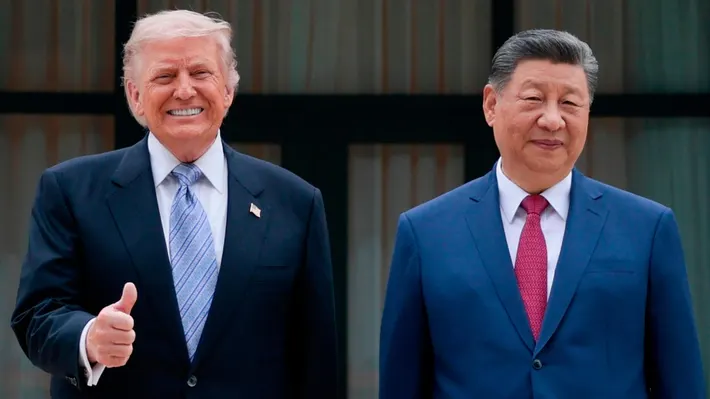
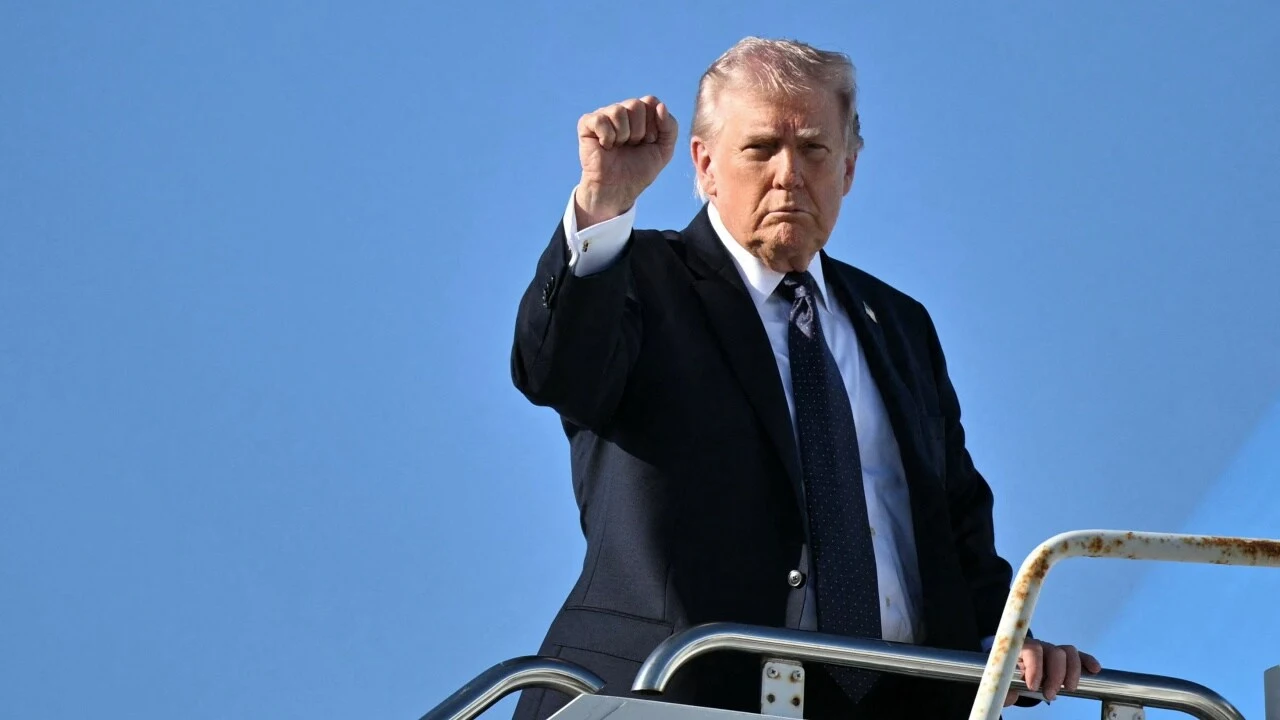
The Trump administration has significantly increased pressure on Havana through sanctions, diplomatic threats and legal actions targeting top Cuban officials.
Tensions intensified further after the United States pursued possible criminal charges against former Cuban leader Raúl Castro over the 1996 shootdown of aircraft belonging to the Miami-based exile group Brothers to the Rescue.
The Justice Department’s actions became a major escalation in the long-running conflict between Washington and Havana.
The Trump administration also imposed tariffs and restrictions on countries supplying oil to Cuba, severely limiting the island’s access to foreign fuel.
Those measures significantly disrupted shipments from Venezuela and other allied countries, worsening Cuba’s already fragile energy situation.
Cuban officials accused Washington of carrying out an “energy blockade” designed to destabilize the country economically and politically.
President Miguel Díaz-Canel repeatedly blamed U.S. sanctions for the country’s worsening blackouts, fuel shortages, and declining living conditions.
At the same time, reports revealed that private diplomatic contacts between U.S. and Cuban officials worked behind the scenes despite public hostility.
Secret meetings reportedly involved senior intelligence and diplomatic figures from both governments.
The humanitarian shipment from Mexico and Uruguay therefore carried broader geopolitical significance because it highlighted growing international concern over Cuba’s worsening humanitarian crisis while the island remains caught in escalating confrontation with Washington.
The aid delivery also reflected efforts by Latin American governments to maintain support for Cuba despite increasing U.S. pressure on countries engaging economically or politically with Havana.
Cuba’s Energy Crisis Sparks Blackouts and Public Anger
The humanitarian shipment arrived as Cuba faced one of the worst energy crises in decades.
Cuban officials acknowledged the country had effectively run out of diesel and fuel oil, leaving the national electrical system operating in a “critical” condition.
Large portions of Cuba experienced blackouts lasting up to 20 or even 24 hours per day.
Entire eastern provinces lost electricity after major failures in the national power grid, while Havana residents increasingly protested deteriorating conditions.
Frustrated citizens banged pots, blocked roads, burned trash and demanded electricity and better living conditions in demonstrations that rocked Havana.
Protesters complained about spoiled food, unbearable heat, water shortages, and collapsing public services.
Cuba’s government blamed the crisis largely on U.S. sanctions and restrictions targeting fuel imports.
Officials said the island relies heavily on imported oil because domestic crude production supplies less than half of national energy needs.
The crisis deepened after oil shipments from Venezuela and Mexico declined sharply following Trump administration pressure.
Russian deliveries also became unreliable, leaving Cuba with dangerously low fuel reserves.
Energy shortages have ravaged hospitals and transportation systems, schools and businesses across the island.
Some surgeries reportedly had to be canceled because of power instability, while food spoilage became widespread due to refrigeration failures.
The humanitarian shipment therefore arrived during an increasingly desperate national emergency.
Many Cubans viewed the aid as urgently needed relief in the middle of widespread economic breakdown and social frustration.
International Aid Efforts Highlight Growing Humanitarian Concerns
Mexico and Uruguay’s humanitarian shipment reflected growing international concern about Cuba’s deteriorating humanitarian situation.
Despite political tensions surrounding aid, governments in Latin America have sought to provide more and more aid to the island.
In early 2026, Mexico sent two navy ships carrying hundreds of tons of food, powdered milk, cooking oil, hygiene supplies and other basic goods to Cuba.
Those deliveries came shortly after Washington threatened tariffs against countries supplying oil or assistance to Havana.
The United Nations and several international organizations have criticized U.S. sanctions policies toward Cuba, arguing that the restrictions contribute to shortages affecting ordinary civilians.
Cuban officials repeatedly described the sanctions as unlawful and harmful to basic humanitarian conditions.
The United States has simultaneously attempted to offer limited humanitarian aid of its own.
Washington reportedly proposed a $100 million aid package involving food, medicine, and humanitarian support through religious organizations.
But Cuban officials remained wary of U.S. intentions amid a broader political dispute.
Humanitarian aid to Cuba has become heavily politicized, analysts said.
Governments offering aid must balance humanitarian considerations with the diplomatic frictions over Washington's pressure campaign against Havana.
For ordinary Cubans, though, the political debates matter less than the urgent need to secure food, electricity, transportation and medical supplies.
Many citizens expressed gratitude for international assistance regardless of its political implications.
The arrival of the humanitarian ship therefore highlighted both Cuba’s severe domestic crisis and the increasingly international dimensions of the island’s economic and political isolation.