







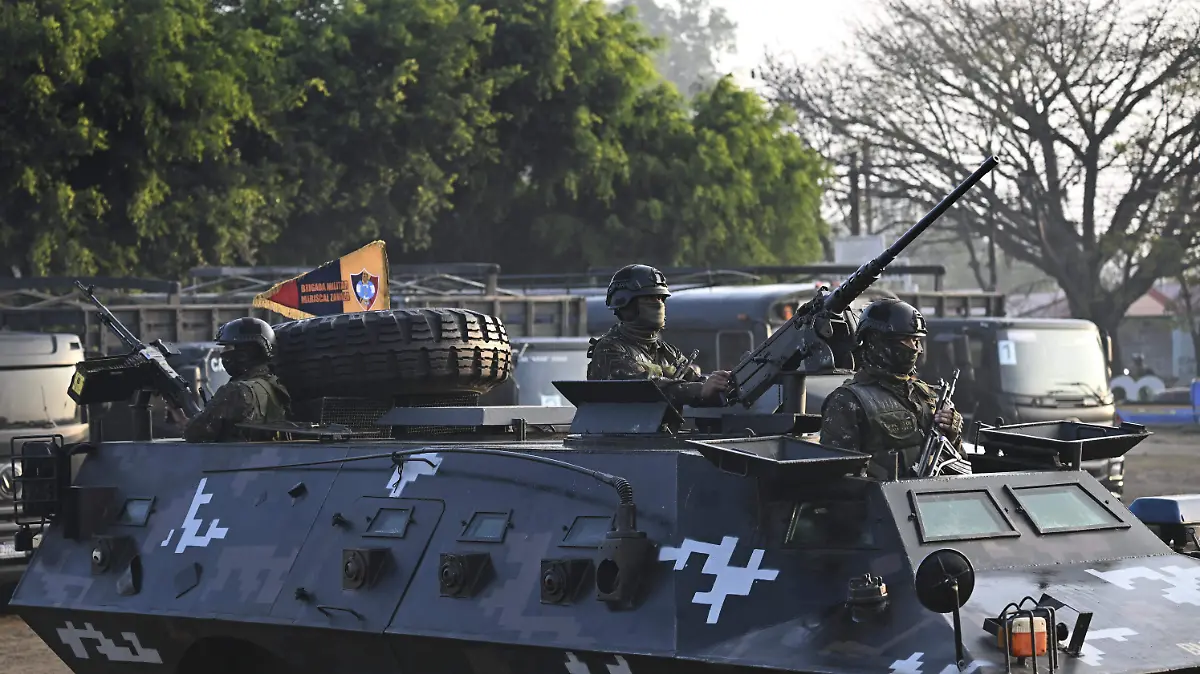
Guatemala City: A diplomatic dispute emerged after reports suggested that Guatemala had agreed to conduct joint military strikes with the United States against drug trafficking organizations operating within its territory.
The reports, citing people familiar with discussions between the two governments, described the proposal as part of a broader effort by the Trump administration to expand anti-cartel operations across Latin America.
According to the reports, the discussions followed meetings between Guatemalan President Bernardo Arévalo, Defense Minister Henry Sáenz and U.S. Defense Secretary Pete Hegseth.
The proposal attracted significant attention because it appeared to represent a major escalation in U.S. involvement in regional anti-drug operations.
The Trump administration has increasingly emphasized military pressure against drug trafficking organizations, describing cartels as major national security threats and expanding cooperation with several Latin American governments.
Guatemala was reported to be discussing increased military cooperation involving intelligence sharing, equipment transfers, training programs and operational coordination.
Some reports suggested that joint strikes against drug trafficking targets were being considered as part of the broader partnership.
The reports quickly generated debate across the region because they touched on longstanding concerns regarding sovereignty, foreign military involvement and the role of the United States in Latin American security operations.
Observers noted that previous U.S. military initiatives in the region have often generated political controversy and public scrutiny.
The issue became even more sensitive because it emerged amid the Trump administration’s wider campaign against cartels and drug trafficking networks throughout the Americas.
Several governments have expressed varying levels of support for intelligence cooperation while remaining cautious about direct foreign military operations on their territory.
As reports spread internationally, Guatemala’s government moved quickly to clarify its position and address growing speculation surrounding the alleged agreement.
Guatemala Rejects Claims of Foreign Military Operations
President Bernardo Arévalo strongly denied reports that Guatemala had approved joint U.S. military strikes on Guatemalan soil.
Speaking publicly after the reports appeared, Arévalo stated that no agreement authorizing foreign military operations inside the country had been signed, requested or approved by his government.
The Guatemalan government emphasized that any deployment of foreign troops would require approval from the country’s Congress and would need to comply with constitutional requirements.
Officials stressed that existing cooperation with the United States remains limited to frameworks already established through bilateral agreements and does not include permission for independent U.S. military action within Guatemala.
Government statements clarified that discussions with U.S. officials focused on military cooperation involving training, equipment, technical assistance and expert support for Guatemalan anti-drug operations.
Authorities said those conversations should not be interpreted as approval for American strikes or direct military interventions.
Arévalo’s administration also released official correspondence and public statements reinforcing the distinction between cooperation and foreign military activity.
Officials noted that Guatemala already collaborates with U.S. agencies on maritime interdictions, intelligence sharing and anti-narcotics initiatives under existing agreements.
The clarification was important because reports of direct military operations raised constitutional and political concerns inside Guatemala.
Government representatives argued that some international reporting overstated the nature of ongoing discussions with Washington and created confusion regarding Guatemala’s actual position.
While denying authorization for strikes, Guatemala nevertheless reaffirmed its commitment to combating organized crime and drug trafficking through international cooperation.
Officials described security collaboration with the United States as an important component of broader efforts to weaken criminal organizations operating throughout Central America.
Expanded Security Cooperation Remains Under Discussion
Although Guatemala rejected reports of direct U.S. military strikes, officials confirmed that discussions regarding expanded anti-drug cooperation are ongoing.
President Arévalo acknowledged that Guatemala has requested greater U.S. assistance involving equipment, training, technology and specialized expertise to strengthen domestic anti-narcotics operations.
The proposed cooperation forms part of Guatemala’s broader anti-drug strategy launched in 2024.
Government officials argued that international support is necessary because transnational criminal organizations continue using Central America as a major corridor for cocaine trafficking and other illicit activities.
According to officials, Guatemala is seeking tactical, technical and logistical support rather than foreign combat operations.
Discussions reportedly include enhanced intelligence sharing, access to military equipment, specialized training programs and cooperation with agencies such as the DEA, FBI and Homeland Security Investigations.
The United States has increasingly prioritized anti-cartel operations throughout Latin America under the Trump administration.
Washington says it needs stronger regional partnerships to disrupt drug trafficking networks that send narcotics into the United States.
Guatemalan officials stressed that cooperation remains focused on supporting national security institutions rather than replacing them.
Authorities repeatedly emphasized that operations inside Guatemala would remain under Guatemalan control and within constitutional limits.
The discussions highlight the difficult balance facing governments across the region.
Many countries want more help to combat powerful criminal organizations while maintaining sovereignty and avoiding the appearance of excessive foreign military influence.
Though differences exist over certain reports, both governments appear committed to expanding some form of security partnership to combat narcotics trafficking and organized crime.
Regional Implications for US-Latin America Relations
The controversy surrounding Guatemala reflects broader debates about the Trump administration’s security strategy in Latin America.
Washington has increasingly called for stronger military and law-enforcement cooperation against drug trafficking organizations and urged regional governments to take more aggressive anti-cartel measures.
Reports suggested that Guatemala could be part of a broader regional framework involving coordinated anti-cartel initiatives across multiple countries.
Analysts noted that similar discussions have involved Ecuador, Honduras and other nations participating in U.S.-backed security programs.
The issue has also highlighted differences among Latin American governments regarding foreign military involvement.
Some countries support intelligence sharing and law-enforcement cooperation but oppose foreign troops carrying out military operations on their territory.
Mexico, for example, has repeatedly rejected the idea of U.S. military operations on its soil while supporting collaboration against organized crime through intelligence and security partnerships.
The Guatemalan debate raised similar questions regarding sovereignty and constitutional limits on foreign intervention.
Security experts say Central America continues to be a key transit route for cocaine shipments bound for the United States.
U.S. officials estimate that a large share of narcotics entering North America passes through Central America and Mexico, making regional cooperation a major policy priority.
Ultimately, the controversy highlights the difficulties of combating transnational criminal networks while maintaining political legitimacy and national sovereignty.
The Guatemalan government has attempted to reassure domestic and international audiences that collaboration with Washington will continue but within constitutional and legal limits.
As the debate continues, the episode demonstrates how anti-drug policies are becoming a more prominent aspect of U.S.-Latin America relations under the Trump administration while also highlighting the political sensitivities associated with deeper security cooperation.