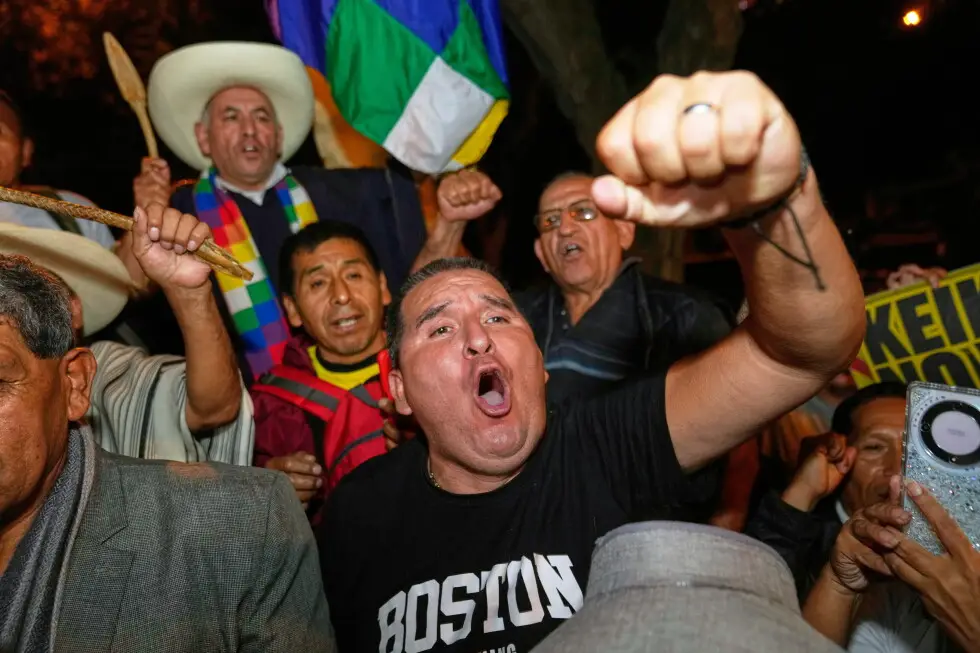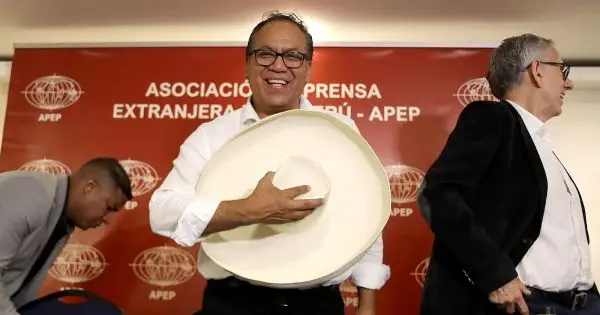








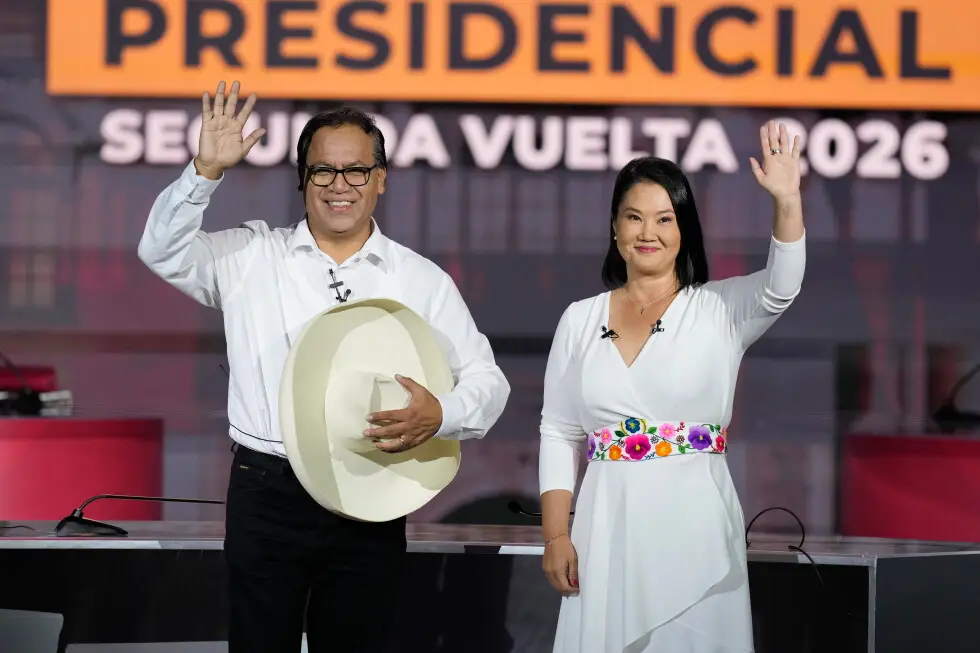
LIMA – Conservative firebrand Keiko Fujimori has narrowly reclaimed the lead in Peru's presidential runoff election, surpassing her progressive rival, Roberto Sánchez, after more than 98% of electoral ballots have been tallied. The dramatic shift in the vote count, announced on Wednesday, intensifies an already nail-biting contest that has laid bare the profound political and social schisms within the Andean nation.
The razor-thin margin separating the two candidates underscores the deep polarization gripping Peru, a country that has seen a succession of presidents fall amidst corruption scandals and political infighting in recent years. As the National Office of Electoral Processes (ONPE) meticulously processes the final few percentage points of votes, the nation holds its breath, aware that the outcome will dictate the trajectory of its economic recovery and its fragile democratic institutions.
The Contenders: A Battle of Ideologies and Legacies
The runoff election has pitted two starkly different visions for Peru against each other, embodied by candidates who represent opposing ends of the political spectrum and carry significant historical baggage.
Keiko Fujimori, the 46-year-old daughter of imprisoned former President Alberto Fujimori, is making her third consecutive bid for the presidency. A polarizing figure, she represents the conservative establishment and appeals strongly to urban middle classes, business interests, and those yearning for a return to law and order. Her platform emphasizes economic stability, foreign investment, and a firm stance on crime. However, her candidacy is inextricably linked to her father's controversial legacy, which includes a period of authoritarian rule, economic liberalization, but also human rights abuses and corruption for which he was eventually jailed. Keiko herself faces ongoing investigations into alleged money laundering, a shadow that has consistently loomed over her political aspirations and fueled strong anti-Fujimori sentiment.
On the other side stands Roberto Sánchez, the progressive challenger who has galvanized support among Peru's rural communities, indigenous populations, and those disaffected by decades of political elites and economic inequality. Sánchez, a prominent voice for the left, campaigned on a platform of social justice, greater state intervention in key sectors like mining, wealth redistribution, and potentially a new constitution to empower marginalized groups and address deep-seated structural inequalities. His rise reflects a broader regional trend of anti-establishment sentiment and a desire for radical change among segments of the population who feel neglected by traditional politics.
Peru's Tumultuous Political Landscape
The current electoral drama is merely the latest chapter in Peru's notoriously volatile political history. In the last five years alone, the country has had four different presidents, a testament to its profound institutional fragility and the persistent shadow of corruption. The Odebrecht scandal, a massive Latin American corruption scheme, implicated several former Peruvian presidents, further eroding public trust in the political class.
This instability is compounded by deep societal divisions. Peru is a nation of stark contrasts – a modern, bustling capital city of Lima juxtaposed against vast rural areas where poverty remains rampant and access to basic services is limited. The economic boom of the early 21st century, largely fueled by its rich mineral resources, failed to bridge these gaps effectively, leaving many feeling excluded from the nation's prosperity. The COVID-19 pandemic further exacerbated these inequalities, hitting Peru particularly hard and exposing critical deficiencies in its public health system and social safety nets.
The 'Fujimori vs. anti-Fujimori' dynamic has been a recurring and defining feature of Peruvian politics for decades. For many, a vote for Keiko is a vote for stability and against what they perceive as radical socialist policies. For others, it is a vote against the perpetuation of a corrupt political dynasty and a rejection of authoritarian tendencies. Sánchez, despite being a lesser-known figure until recently, has effectively channeled this anti-establishment sentiment, presenting himself as a champion for the forgotten and a radical alternative to the status quo.
Economic Implications and Regional Context
Regardless of who ultimately emerges victorious, the next Peruvian president will face immense challenges. The economy, heavily reliant on mining, needs a stable political environment to attract investment and foster growth. Both candidates' platforms, in their own ways, have sparked concerns among investors. Fujimori's past legal troubles and her party's confrontational style have raised questions about governance, while Sánchez's proposals for greater state control and constitutional reform have rattled market confidence.
Beyond its borders, Peru's election mirrors broader trends of political polarization and the rise of populist or anti-establishment figures across Latin America. From Chile to Colombia, voters are increasingly rejecting traditional political parties in favor of candidates promising radical change, whether from the left or the right. This regional shift reflects widespread discontent with corruption, inequality, and the perceived failures of neoliberal economic policies.
Awaiting the Final Verdict
As the final ballots are counted and verified, Peru stands at a critical juncture. The narrow margin means that every vote, every contested ballot, and every legal challenge will be scrutinized intensely. The electoral authorities face the daunting task of ensuring transparency and legitimacy in a highly charged atmosphere, where accusations of fraud and irregularities are never far from the surface.
The eventual winner will inherit a deeply fractured nation, with the immediate task of healing divisions and building consensus. Reconciling the demands of a diverse populace, addressing economic disparities, combating corruption, and restoring trust in democratic institutions will be monumental undertakings. The outcome of this dramatic presidential runoff will not only shape Peru's immediate future but also send a powerful message about the resilience, or fragility, of democracy in a region often prone to political upheaval.