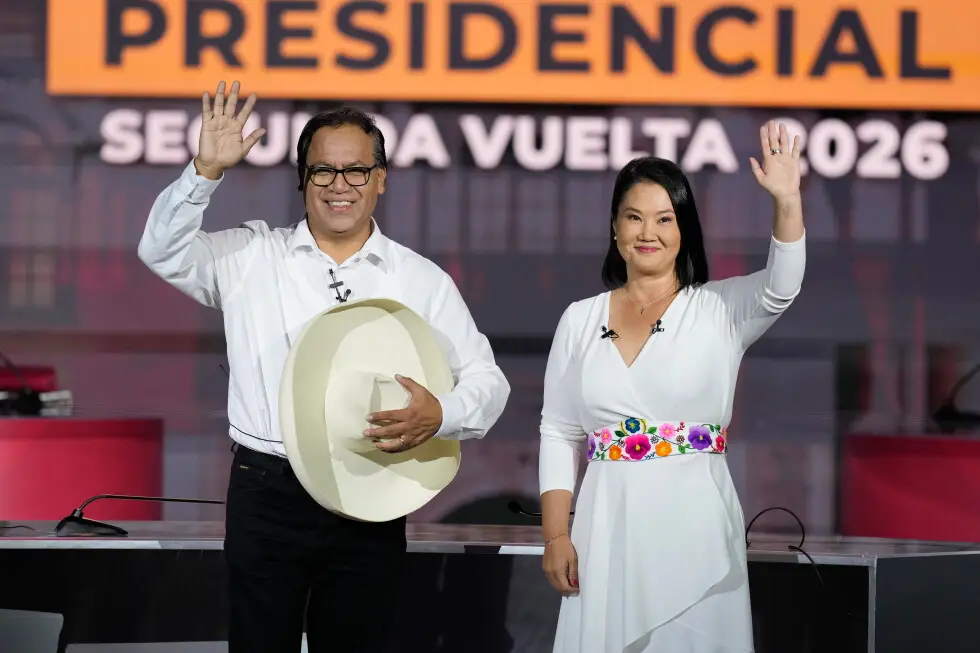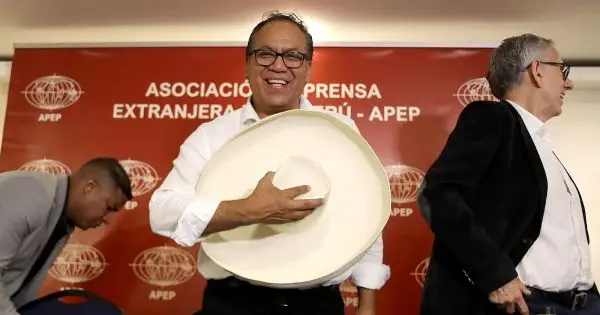








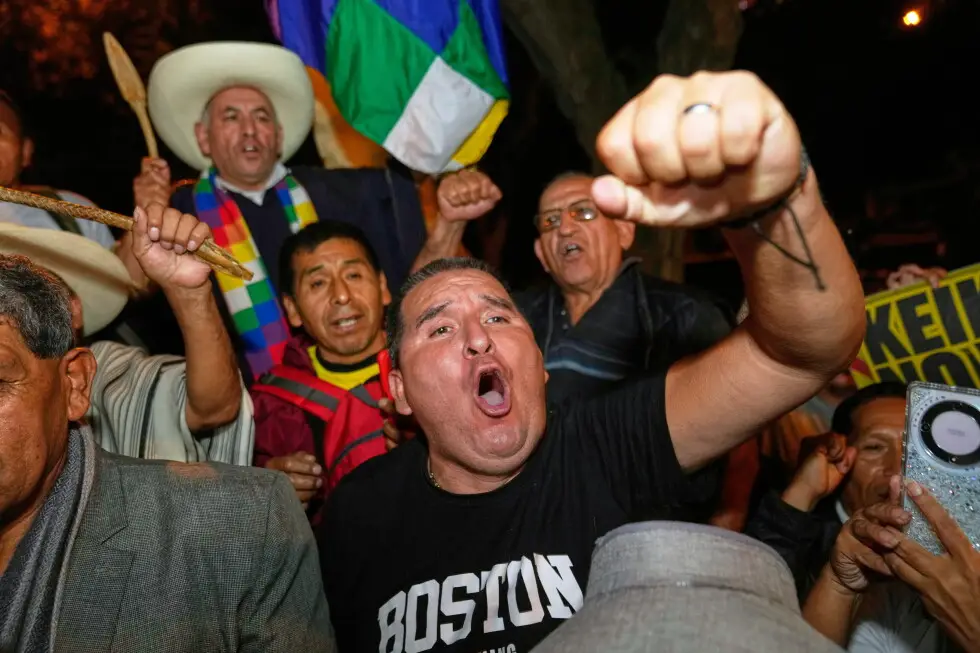
LIMA, Peru – Peru finds itself on the precipice of a political cliffhanger, as the nation’s presidential runoff election sees progressive challenger Roberto Sánchez and conservative veteran Keiko Fujimori locked in a fierce, vote-by-vote struggle. With over 96% of the ballots tallied, the difference between the two candidates has narrowed to a mere 39,000 votes, underscoring the profound polarization and deep divisions that characterize Peruvian society.
The slow and meticulous count, which has kept the nation on edge since Tuesday, reflects the high stakes of an election that pits two vastly different visions for Peru against each other. On one side stands Roberto Sánchez, representing a progressive movement advocating for greater state intervention, social welfare programs, and a focus on rural and indigenous communities often marginalized by Lima's political establishment. On the other, Keiko Fujimori, a perennial presidential contender, champions a conservative agenda emphasizing economic liberalization, law and order, and a strong, centralized government, often drawing on the legacy of her father, controversial former President Alberto Fujimori.
For Fujimori, this marks her third attempt at the presidency, each time falling short in the runoff stage. Her political career has been inextricably linked to the legacy of 'Fujimorismo,' a movement that evokes strong reactions across Peru. Supporters credit Alberto Fujimori with stabilizing the economy, defeating the Shining Path insurgency, and implementing crucial infrastructure projects during his 1990-2000 tenure. Critics, however, condemn his authoritarian tendencies, human rights abuses, and the widespread corruption that ultimately led to his downfall and conviction. Keiko Fujimori herself has faced multiple corruption allegations and legal investigations, though she maintains her innocence, portraying herself as a victim of political persecution. Her base is typically found in urban centers and among segments of the middle and upper classes, as well as those who yearn for perceived stability and decisive leadership.
Roberto Sánchez, while perhaps less nationally recognized than Fujimori, embodies a growing tide of progressive sentiment in Peru, particularly in the impoverished rural highlands and among the working class. His platform promises a reorientation of the state towards social justice, a more equitable distribution of wealth – particularly from the country's vast mineral resources – and a greater voice for those historically excluded from political power. Sánchez's rise reflects a broader regional trend in Latin America, where voters, disillusioned with traditional elites and persistent inequality, have increasingly turned to left-leaning leaders advocating for systemic change.
Peru's political landscape has been notoriously volatile in recent years. The country has cycled through five presidents in as many years, often due to impeachment proceedings, corruption scandals, or resignations. This instability has been fueled by deep-seated corruption, a fragmented Congress, and a judiciary often perceived as politicized. The outgoing government has struggled to address the economic fallout from the COVID-19 pandemic, which hit Peru particularly hard, exacerbating existing inequalities and social grievances. The winner of this election will inherit a nation grappling with a fragile economy, a deeply polarized electorate, and a strong demand for reform.
The narrow margin in the current count raises immediate concerns about the potential for legal challenges and accusations of fraud, a common occurrence in tight Latin American elections. Both campaigns have deployed observers and are scrutinizing every ballot, preparing for what could be a protracted legal battle even after the official results are announced. Such challenges could further delay the transfer of power and potentially ignite social unrest in a country already accustomed to protests and political turmoil.
Beyond Peru's borders, the outcome of this election holds significance for regional dynamics. A victory for Sánchez could align Peru more closely with other left-leaning governments in Latin America, potentially shifting its stance on regional trade agreements, environmental policies, and international alliances. Conversely, a Fujimori presidency would likely maintain a more traditional, market-oriented approach, aligning with conservative forces in the region and potentially fostering closer ties with global economic powers.
As the final votes are meticulously tallied, Peruvians and international observers alike are bracing for a tense conclusion. The election is not just a contest between two individuals, but a referendum on the country's past, present, and future direction. Whether Peru chooses to lean towards a more interventionist, socially focused progressive path or reverts to a more conservative, market-driven model, the next president will face the immense challenge of uniting a deeply fractured nation and steering it through an era of profound uncertainty.
The ultimate test for the eventual winner will be their ability to bridge the ideological chasm that divides Peru, restore faith in democratic institutions, and deliver on the promises of stability and prosperity that both candidates have championed in their campaigns.