







BOGOTÁ – A devastating magnitude 7.4 earthquake has rocked western and central Colombia, leaving at least 132 people dead and 570 injured, according to the latest preliminary report issued by the Colombian Association of Capital Cities on Monday evening. Authorities have cautioned that the casualty figures are expected to climb as search and rescue operations continue around the clock in the affected regions.
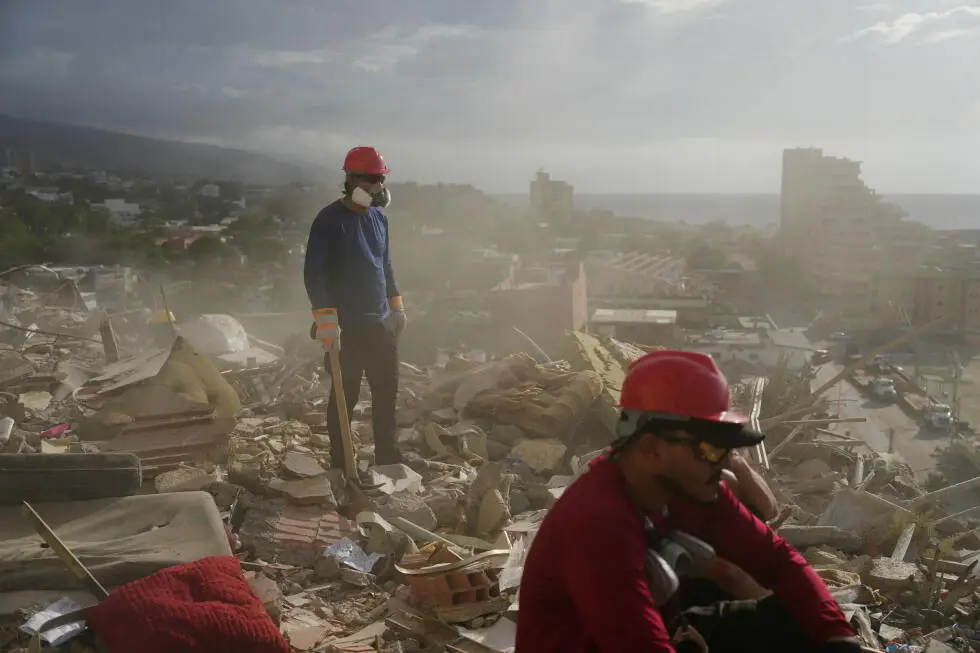
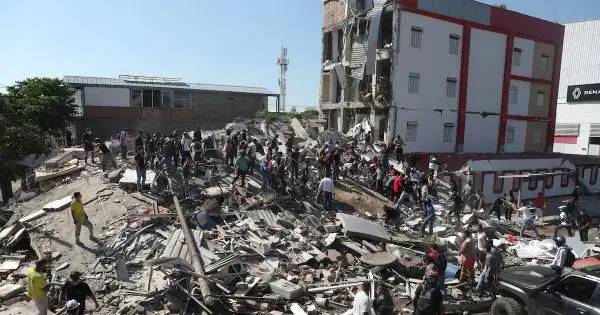
The powerful tremor, which struck on Monday, sent shockwaves across several departments, causing widespread destruction. Reports from cities and towns across Valle del Cauca, Quindío, and Risaralda depict scenes of chaos, with collapsed buildings, damaged homes, and disrupted infrastructure. Roads have been rendered impassable in many areas, hindering the swift deployment of emergency services, while power outages and communication breakdowns have further complicated relief efforts.
Emergency teams, comprising the National Unit for Disaster Risk Management (UNGRD), the Colombian Red Cross, civil defense personnel, and countless local volunteers, are engaged in a desperate race against time. They are sifting through tons of rubble, often by hand, in a perilous search for survivors trapped beneath collapsed structures. The threat of aftershocks looms large, adding another layer of danger to an already hazardous environment for both rescuers and those affected.
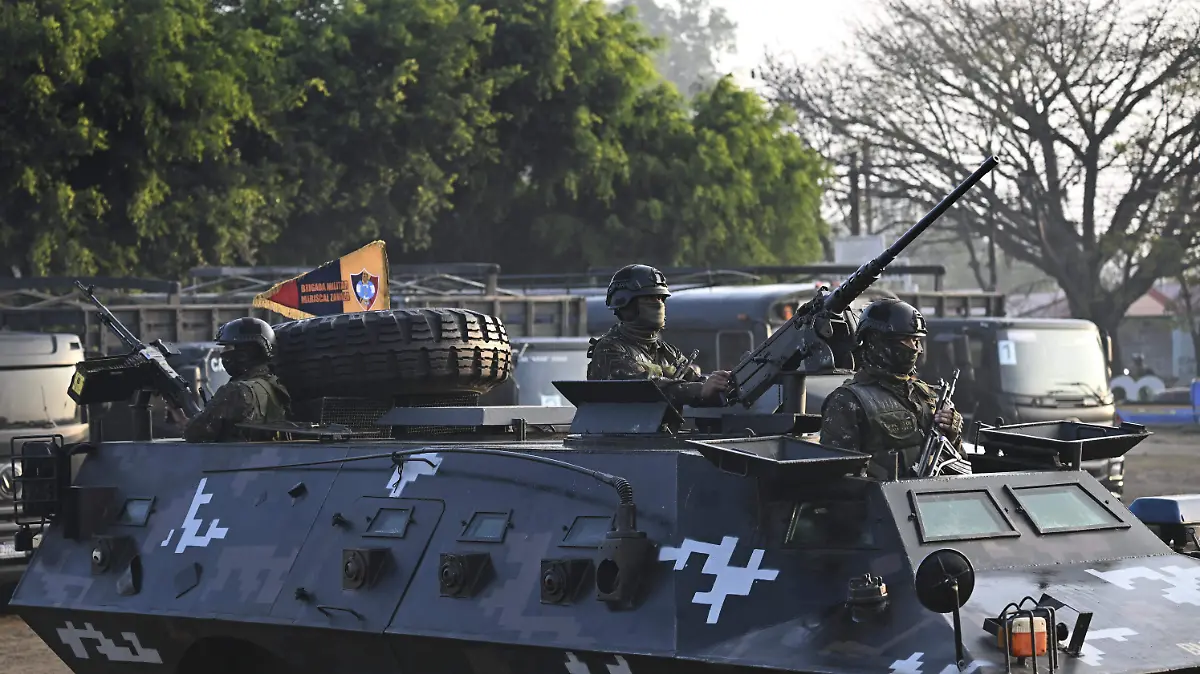
Presidential offices in Bogotá have declared a state of emergency in the worst-hit areas, mobilizing the full force of the national government to respond to the catastrophe. The Colombian military and national police have been deployed to assist with search efforts, secure damaged zones, and distribute essential aid. Calls for national unity and international solidarity have been issued as the country grapples with one of its most severe natural disasters in recent memory.
Colombia’s vulnerability to seismic activity is well-documented, owing to its geographical location at the convergence of several tectonic plates. The country lies within the Pacific Ring of Fire, where the Nazca plate subducts beneath the South American plate, creating immense geological pressure that frequently manifests as earthquakes. The Andean mountain range, which traverses Colombia, is a direct result of this intense tectonic interaction, making tremors a regular, albeit often minor, occurrence. This latest quake underscores the persistent seismic threat faced by communities built along these active fault lines, reminding the nation of its geological destiny.
The scale of the damage has raised critical questions about infrastructure resilience and building codes in a region prone to such powerful seismic events. While modern construction in major urban centers often adheres to stricter anti-seismic standards, many older buildings and informal settlements, particularly in rural and peri-urban areas, remain highly vulnerable. The disproportionate impact on these communities highlights the ongoing challenge of ensuring safe housing and public infrastructure across a diverse socio-economic landscape. Efforts to retrofit existing structures and enforce rigorous building regulations are crucial for mitigating future disasters, but they represent a significant economic and logistical undertaking for a developing nation.
Beyond the immediate casualties, the earthquake has triggered a burgeoning humanitarian crisis. Thousands have been displaced from their homes, seeking refuge in temporary shelters, often with little more than the clothes on their backs. The injured are overwhelming local hospitals, which are struggling to cope with the influx of trauma cases. The psychological toll on survivors, many of whom have lost loved ones or witnessed unimaginable destruction, is profound and will require long-term support. Providing adequate food, clean water, sanitation, and medical supplies to the affected populations remains a top priority for aid organizations and the government alike.
The economic fallout from the earthquake is expected to be substantial. Short-term disruptions to local commerce, agriculture, and industry will be immediate, while the long-term costs of reconstruction—repairing damaged infrastructure, rebuilding homes, and restoring livelihoods—will run into billions of dollars. This will place an additional strain on Colombia's national budget, potentially necessitating international assistance from multilateral organizations and donor countries. The regional economy, particularly in areas reliant on agriculture or nascent tourism, faces a daunting path to recovery.
As Colombia begins the arduous journey of recovery, the spirit of solidarity, both nationally and from its Latin American neighbours, will be paramount. Offers of aid and expertise are expected from countries like Ecuador and Peru, which share similar seismic risks and have experience in disaster response. The path ahead will be long and challenging, requiring sustained commitment to rebuilding communities, supporting survivors, and enhancing national resilience against future natural phenomena. The preliminary death toll of 132 serves as a stark reminder of the immense human cost of such events, and the collective effort now underway is a testament to the nation's resolve in the face of tragedy.